
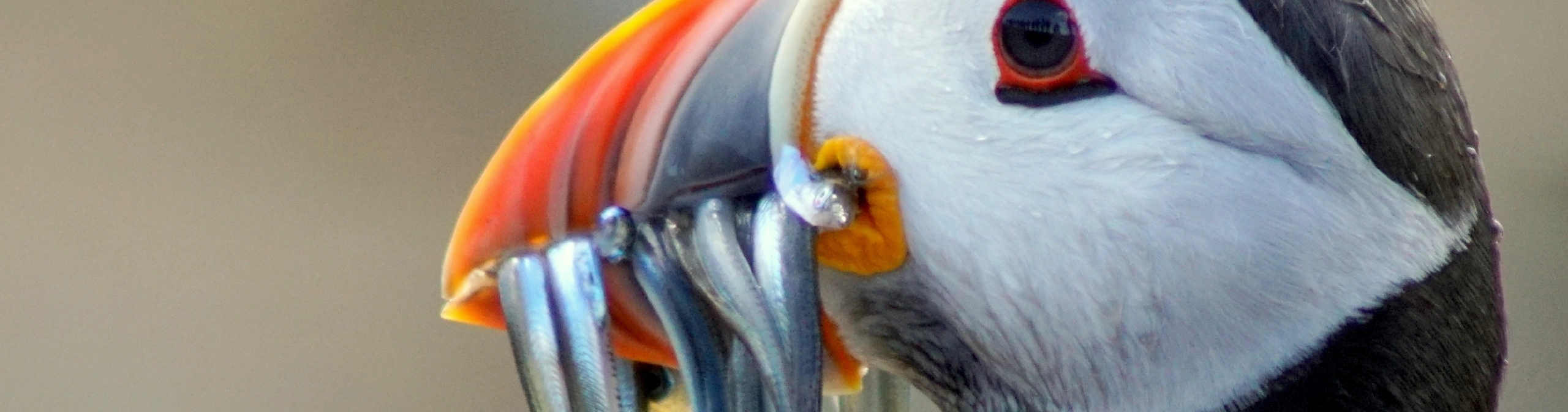
Food chains (KS1 – KS2)
Food chains are one of the first ways children learn to make sense of how living things depend on each other. From simple chains in Year 2 to constructing and interpreting more complex ones by Year 4, it’s a topic that builds steadily across KS1 and KS2. Here’s what the curriculum expects at each stage, and where to find lessons and resources to teach it.
What children learn about food chains at KS1 and KS2
What the national curriculum expects
Food chains first appear in Year 2, within “Living things and their habitats,” where pupils learn to describe how animals obtain their food from plants and other animals using the idea of a simple food chain, and to identify and name different sources of food. The concept returns in Year 4, within “Animals, including humans,” where pupils move from describing food chains to constructing and interpreting a variety of them, identifying producers, predators and prey.
Key knowledge and concepts
Within this topic, children build knowledge across how food chains work and how to represent them:
What is a food chain
How food and energy move from one living thing to another
Sources of food
Where animals get their food, including plants and other animals
Producers
Plants that make their own food and start the chain
Predators and prey
Which animals hunt, which are hunted, and how the two connect
Constructing food chains
Building accurate chains from observation and research
Interpreting food chains
Reading chains, and working out what they show
Food webs
How chains connect into wider webs within a habitat
Changes in ecosystems
What happens to a chain when one part of it changes
Where this topic sits within KS1 and KS2
Food chains are introduced simply in Year 2, then built on more formally in Year 4. It’s a concept children return to with growing precision rather than a single lesson taught once.
How to access this topic
Food chains don’t sit on their own in the curriculum. The Cornerstones science curriculum is fully sequenced from EYFS through Year 1 to Year 6, so you can see what comes before, what follows and how the whole picture fits together. We’ve done the thinking, so your planning time goes into teaching, not sequencing.
Full curriculum
Subject curriculum
Quick Teach Individual lessons and resources for supplementing what you already teach.
Ready to bring the wider curriculum to life?
See how the full Cornerstones Science Curriculum sequences topics like this one across every year group.