
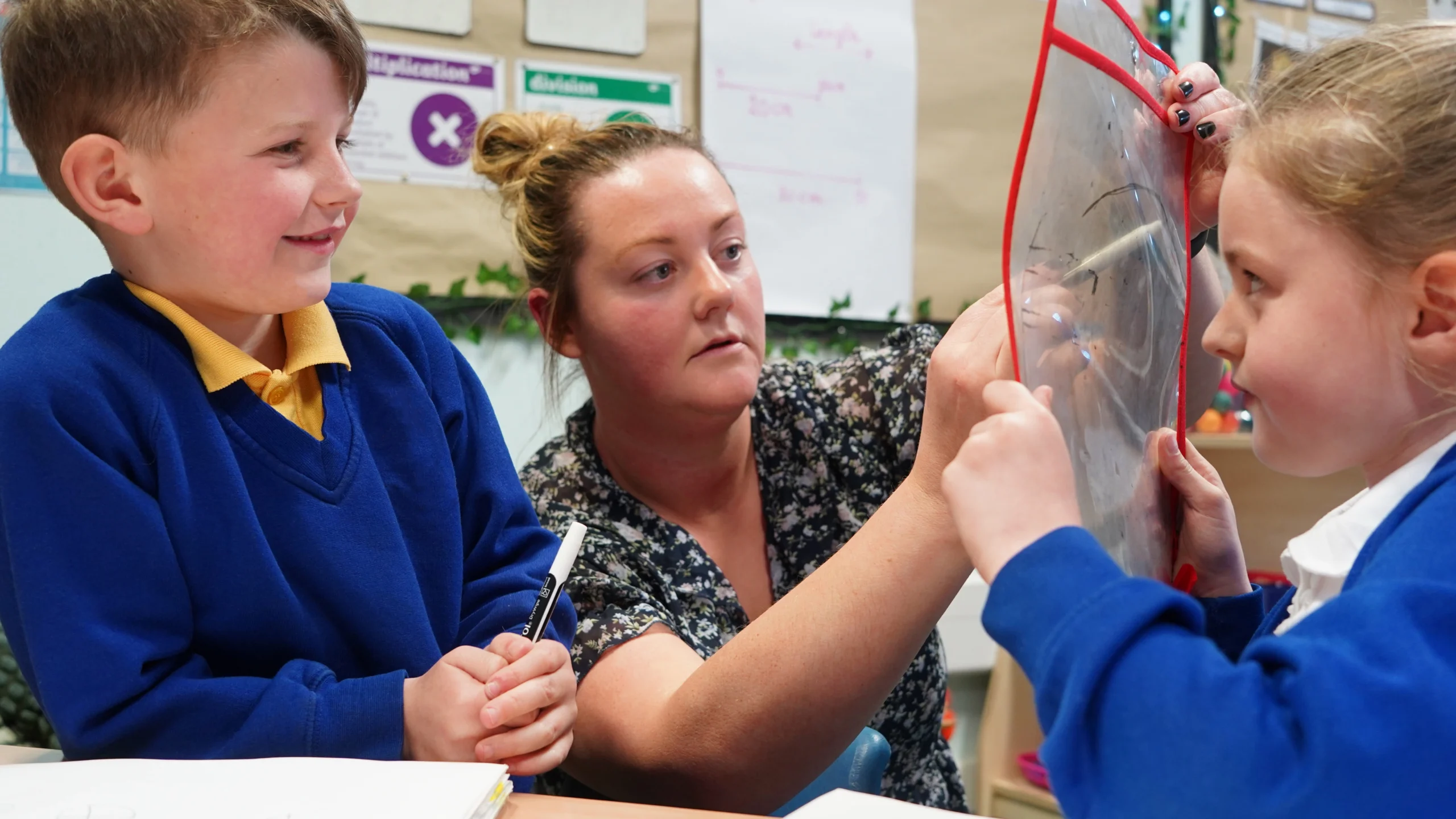
Teaching with Cornerstones
What it really means to teach a curriculum built around children, not PowerPoint slides.
Something has gone wrong in primary classrooms
In 2025, the All-Party Parliamentary Group for Education published its inquiry into the loss of love of learning. The findings were stark.
Only 11% of pupils said they enjoyed school every day. Over 90% of teachers had considered leaving the profession in the last year. And a National Education Union report found that 90% of primary teachers were now following standardised curricula, lessons built around pre-loaded slide decks that teachers are expected to deliver without deviation.
One teacher described senior leaders walking the corridors asking “are you on slide 8 yet?” Another described her children as “vessels to be filled”’ A KS1 teacher reported children who couldn’t hold a pencil or cut with scissors because hands-on learning had been replaced by screens.
This is what happens when a curriculum is designed around coverage rather than children. When teachers are reduced to deliverers of someone else’s script. When the question stops being “what do my children need?” and starts being “are we on the right slide?”
It doesn’t have to be this way.

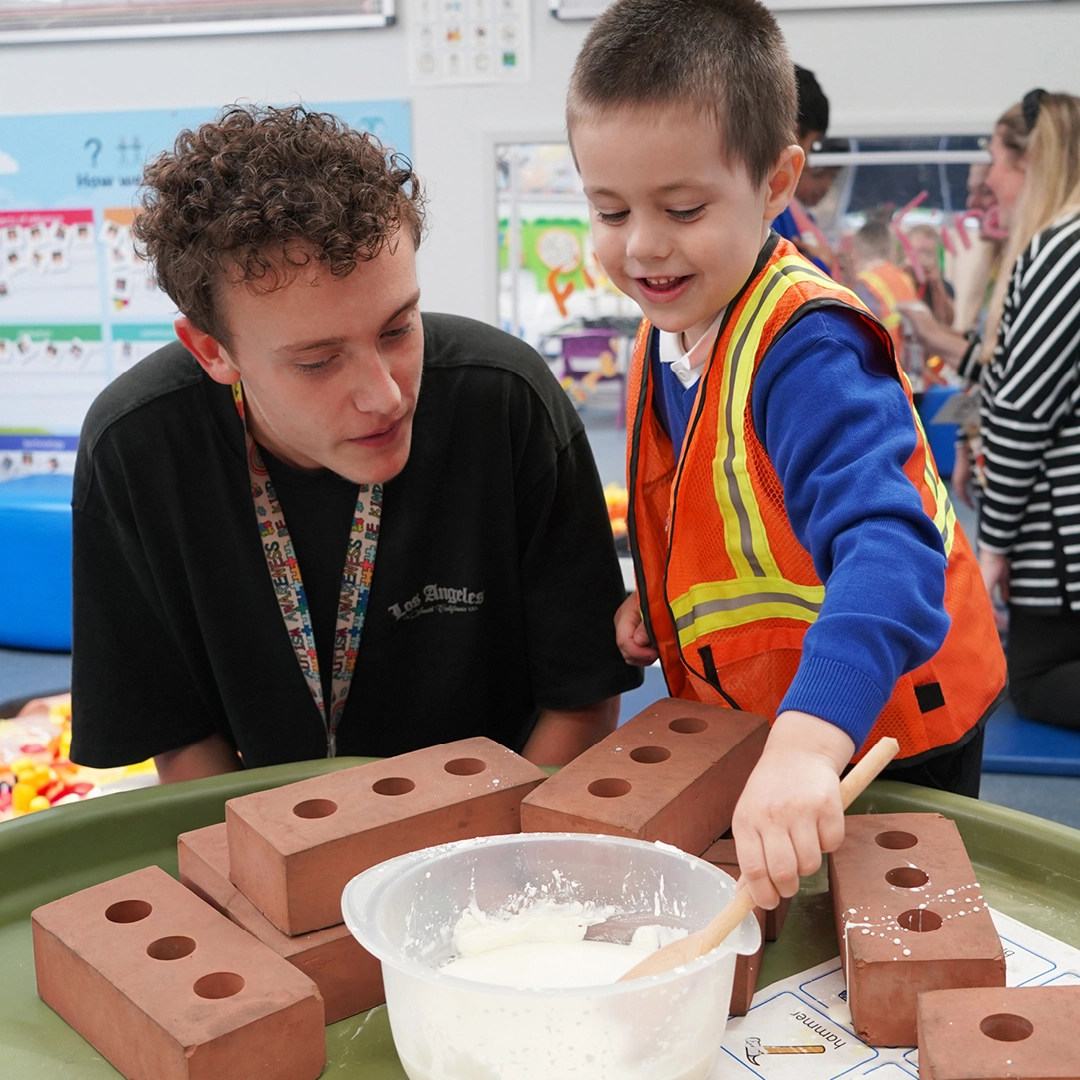
Every child deserves a teacher who’s free to teach
At Cornerstones, we’ve always believed that a primary classroom should be a place of curiosity, creativity and connection. Not a place where children sit passively in front of slides.
We believe teachers are professionals, not script readers. That the best lessons happen when a teacher knows their children well enough to follow an unexpected question down a fascinating path. When a class that loves art gets to draw. When a child who’s struggling gets the moment they need rather than being moved on to the next slide.
A curriculum should give teachers the structure and confidence to teach brilliantly and then trust them to do it. That’s what Cornerstones was built to do.
It’s not ‘are you on slide 8 yet?’ It’s ‘what do your children need today?’
How a Cornerstones project unfolds in your classroom
Every Cornerstones curriculum project follows our four-stage pedagogy. Here’s what each stage actually feels like in a primary classroom.

Engage
It starts with curiosity
Every project begins with a memorable experience designed to stimulate curiosity, prompt questions and connect children to what they already know. A compelling provocation. An open question. An experience that stops children in their tracks and makes them want to find out more.
Your teacher doesn't open a slide deck. They open a conversation, inviting children to reflect on prior knowledge, explore what they already understand and ask the questions that will drive the project forward.
This is the moment that changes everything that follows. When children arrive at the Develop stage already invested, already curious and already asking their own questions, the deeper learning that comes next has a foundation to build on.

Develop
Then it comes to deepening their learning
Develop is the longest and richest stage of any project. This is where children delve deeply into the knowledge and skills required to build genuine conceptual understanding.
Learning is carefully sequenced and interconnected, with each lesson building on the last, making links explicit and deepening understanding over time. Children work individually, in small groups and in larger groups, building subject knowledge alongside social skills, oracy, tolerance and cooperation.
Cornerstones gives teachers the lesson framework, the resources and the subject expertise they need. But not a script. Teachers know when to slow down, when to go deeper, when a child needs something different from what the plan says. That professional judgement is exactly what the curriculum is designed to trust and support.

Innovate
Then they use what they've learned
Knowledge without application is fragile. The Innovate stage gives children the opportunity to retrieve what they have learned and apply it in a new context, using and testing their knowledge and skills in ways that are practical, creative and genuinely challenging.
This might be a problem to solve, a challenge to design, a debate to win or a question to investigate. Children work together to invent, create and apply, drawing on everything the Develop stage has built.
This is where teachers discover what children have really understood. And where children discover things about themselves — that they can reason, lead, collaborate and surprise everyone in the room, including their teacher. Teachers are encouraged to embrace the unpredictable here. The Innovate stage is where professional judgement matters most.

Express
And then they get to share it
Every project ends with opportunities for children to reflect on their learning, test their knowledge and celebrate what they've achieved.
Express takes many forms: speaking and listening, presentations, performances, displays, low-stakes quizzes or more formal assessments. Children articulate their understanding in their own voice, in ways that suit them and their learning.
This emphasis on communication builds confidence and self-esteem. It also gives teachers a rich and natural picture of children's progress that goes far beyond what any test result alone could reveal.
And it gives children the experience of completing something real. Of having learned something worth sharing. That sense of pride and achievement is exactly what the APPG inquiry said is missing from too many primary classrooms right now. In a Cornerstones classroom, it's how every project ends.
What teachers ask us most often
The honest questions teachers and leaders ask before making the switch.
Will this add to my teachers' workload?
No. Cornerstones gives teachers a fully planned curriculum with rich resources, lesson frameworks and assessment tools all in one place on Maestro. Teachers adapt and personalise — they don't rebuild from scratch. The planning is done. The professional judgement is theirs.
Can teachers still teach in their own way?
Yes — that's the point. Cornerstones provides the structure and the starting point, but it's designed to be adapted. Teachers can slow down, go deeper, follow an unexpected question or respond to something happening in the news. The curriculum is a framework, not a script.
What about children with SEND?
A one-size-fits-all PowerPoint curriculum is one of the worst things for children with SEND. The Cornerstones four-stage approach gives teachers the flexibility to adapt activities, resources and pace to the children in front of them. Your adviser can also support you with specific SEND adaptations for your school's context.
What if my teachers are nervous about a subject?
This is one of the most common concerns primary teachers have — especially in subjects like DT, science or RE where they don't feel like specialists. Cornerstones gives every teacher the subject knowledge, the resources and the lesson structure to teach with confidence. And your dedicated curriculum adviser is there to support any teacher who needs it.
See what teaching with Cornerstones looks like
Book a curriculum conversation and our advisers will walk you through our projects and how Maestro supports teachers.
I say to my teachers 'look at the projects and tell me what you'd like to teach'. I then set the curriculum up on Maestro which tells me if I need to tweak anything. Teacher autonomy is really good. It's nice for them because if the teachers love what they're teaching, they do a better job. The enthusiasm comes out to the children then as well.

Sarah Davies
This isn’t just our view
The APPG inquiry confirmed what Cornerstones has believed and built for over 15 years. That learning has become, in the words of the report, a high-pressure sprint through content rather than a journey of discovery. That teachers have been reduced to deliverers of someone else’s script. That creative subjects, the ones that give children a hook, a reason to care, a reason to come to school, are being squeezed out.
Cornerstones Curriculum Director Melanie Moore contributed evidence to the inquiry. Her response sets out exactly why a curriculum built around children rather than slide decks isn’t a nice-to-have. It’s what the evidence has been telling us for years.
That’s what Cornerstones has always been. And it’s what every project, every lesson and every teacher we work with is built around.
Read the full response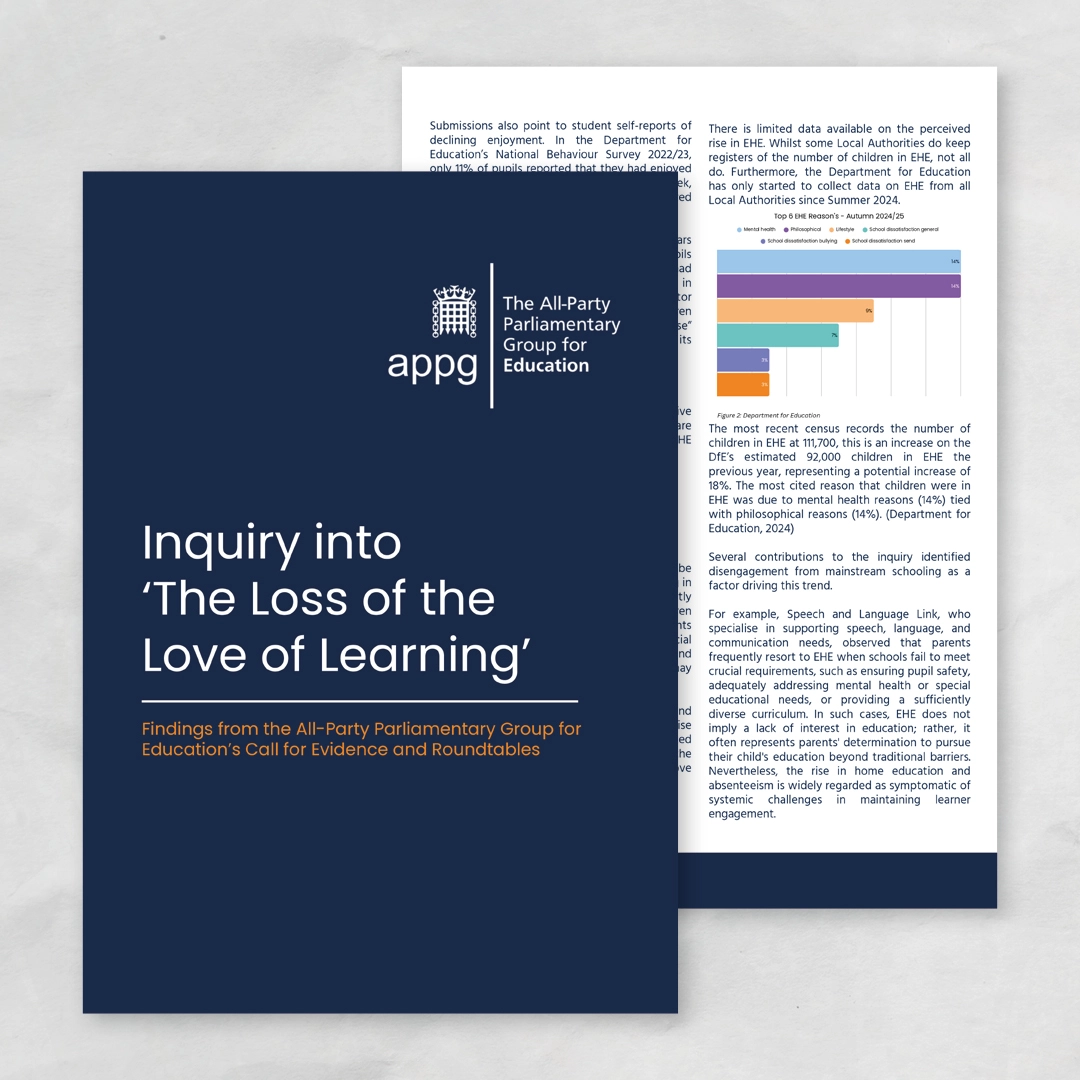
What teachers say about teaching with Cornerstones
What we enjoy so much about Cornerstones is that it offers us flexibility. We can incorporate our own ideas and follow any lines of inquiry that have come from the children.
Read their story
Carrie Kiselis
I wanted to make sure that teachers spent more time adapting and teaching to the needs of the children in their class, not spending hours creating resources.
Read their story
Daniel Norris
An ECT shared with us how this has really helped him to adapt his way of thinking to improve his lessons and also gain time back for himself, rather than having to think of everything from scratch. Experienced staff have said they're impressed with how they can see the journey of learning taking place but now they have gained that precious time to really think about how they will teach the children.

Ciara Huish
Give your teachers a curriculum they love teaching
When teachers are trusted, inspired and properly supported, children feel it. Book a curriculum conversation and find out how Cornerstones can change what teaching looks like in your school.