
Our pedagogy
A four-stage teaching and learning approach designed specifically for the primary child
Designed for the primary child
We’re primary through and through. That’s why we ensure that our curriculum is based on a pedagogy that fully promotes the unique and wonderful nature of the primary child.
Our mission is to preserve and promote the unique and wonderful qualities of the primary child. We resist the movement to introduce secondary teaching techniques within primary education.
Our unique approach and four-stage pedagogy provide a teaching and learning structure across all our curriculum projects. Inspired by the values of the Reggio Emilia Approach™ and influenced by developments in cognitive research, our four-stage pedagogy will help your school build industrious and inventive learners.
The four-stage pedagogy
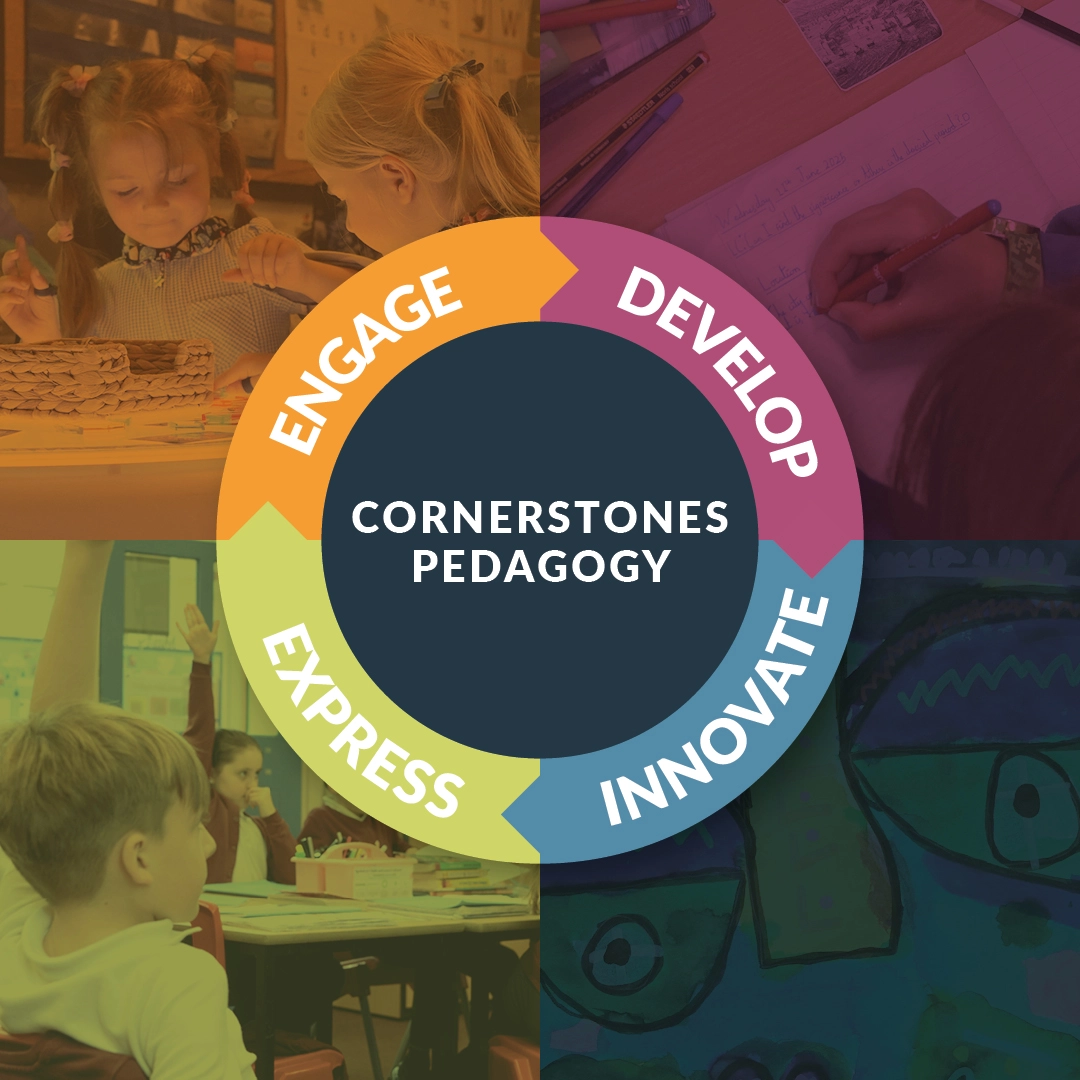
Every Cornerstones curriculum project follows the same four-stage structure, built around enquiry based learning and designed specifically for the primary child. Each stage has a clear purpose, and together they take children on a complete learning journey from curiosity and engagement through to knowledge, application and reflection.

Engage
Hook children from the start.

Develop
Build skills and deepen knowledge.

Innovate
Apply learning in creative ways.

Express
Reflect, share and celebrate.
The Engage Stage
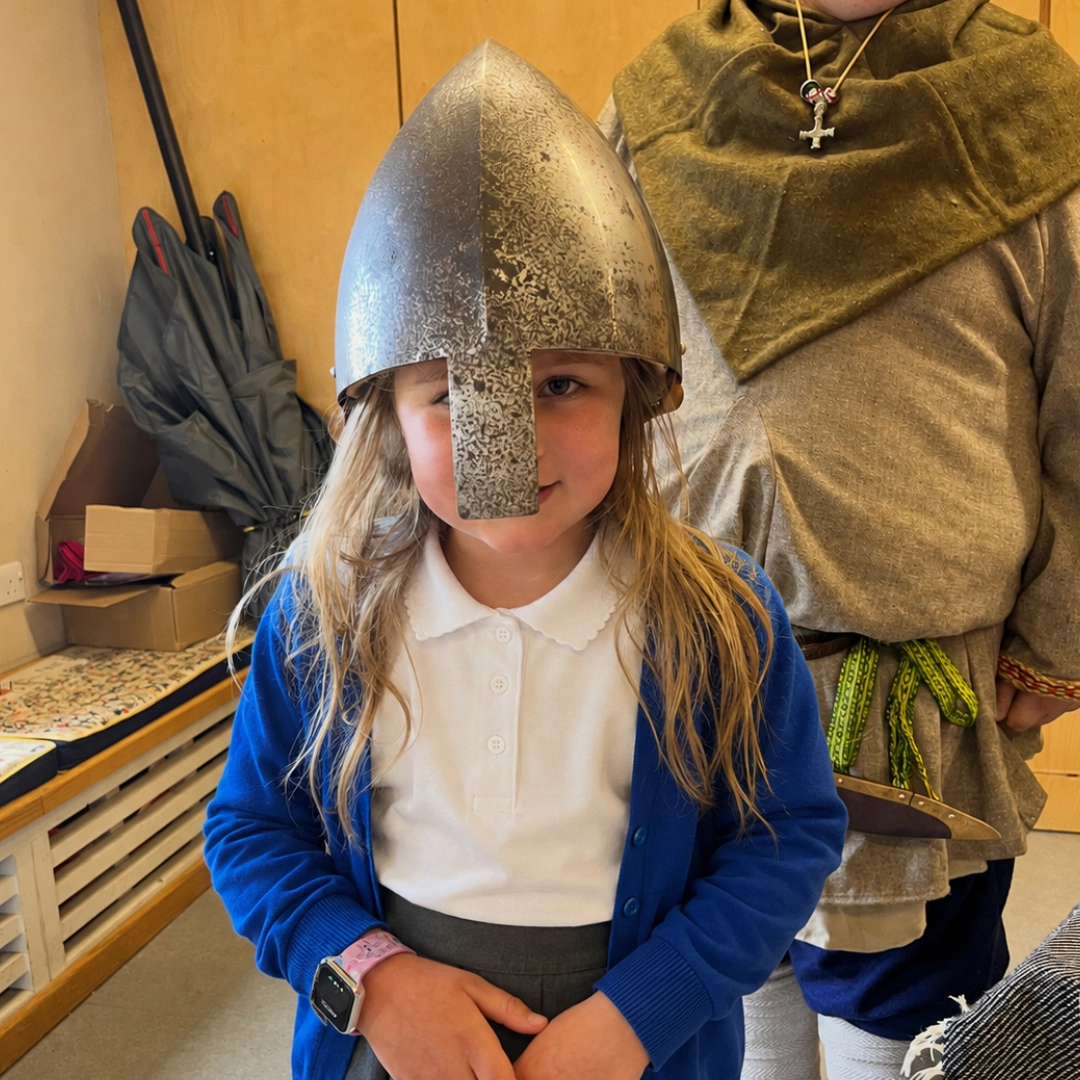
We begin each curriculum project with a bang! A memorable experience, enquiry question, reflecting upon previous knowledge or an open-ended mind mapping exercise. Whatever you choose, getting your children hooked from the start is a great way to get their attention, build their curiosity, and understand the context of their new curriculum project.
The Develop Stage
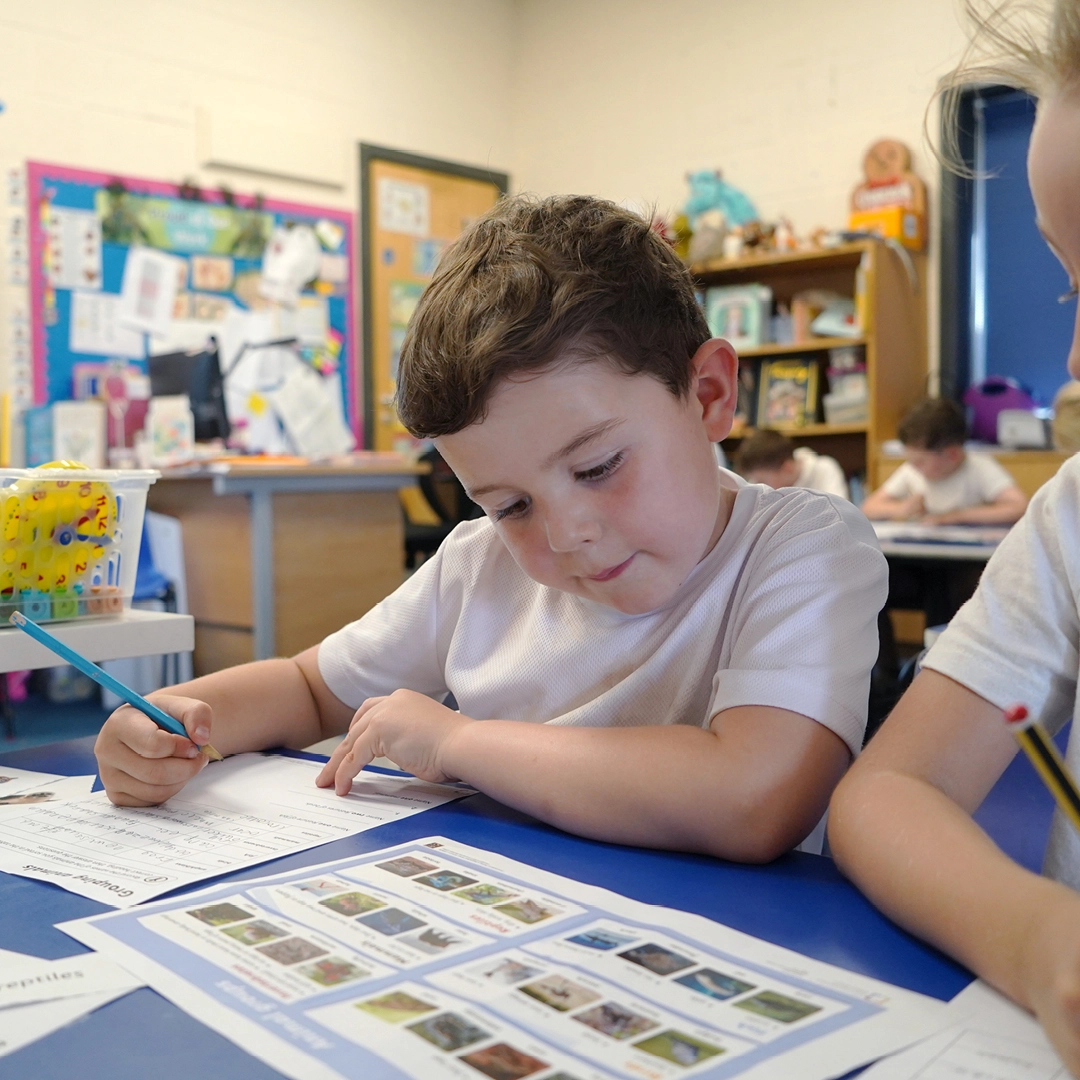
So, you have them hooked? It’s time to build on those early foundations to teach new skills and knowledge through meaningful activities. In the development stage, you can delve more deeply into your project’s core concepts, enabling children to investigate, explore, hypothesise, research and develop their understanding of their project. More sustained and challenging learning will see children rise to the challenge, developing their resilience and perseverance.
The Innovate Stage
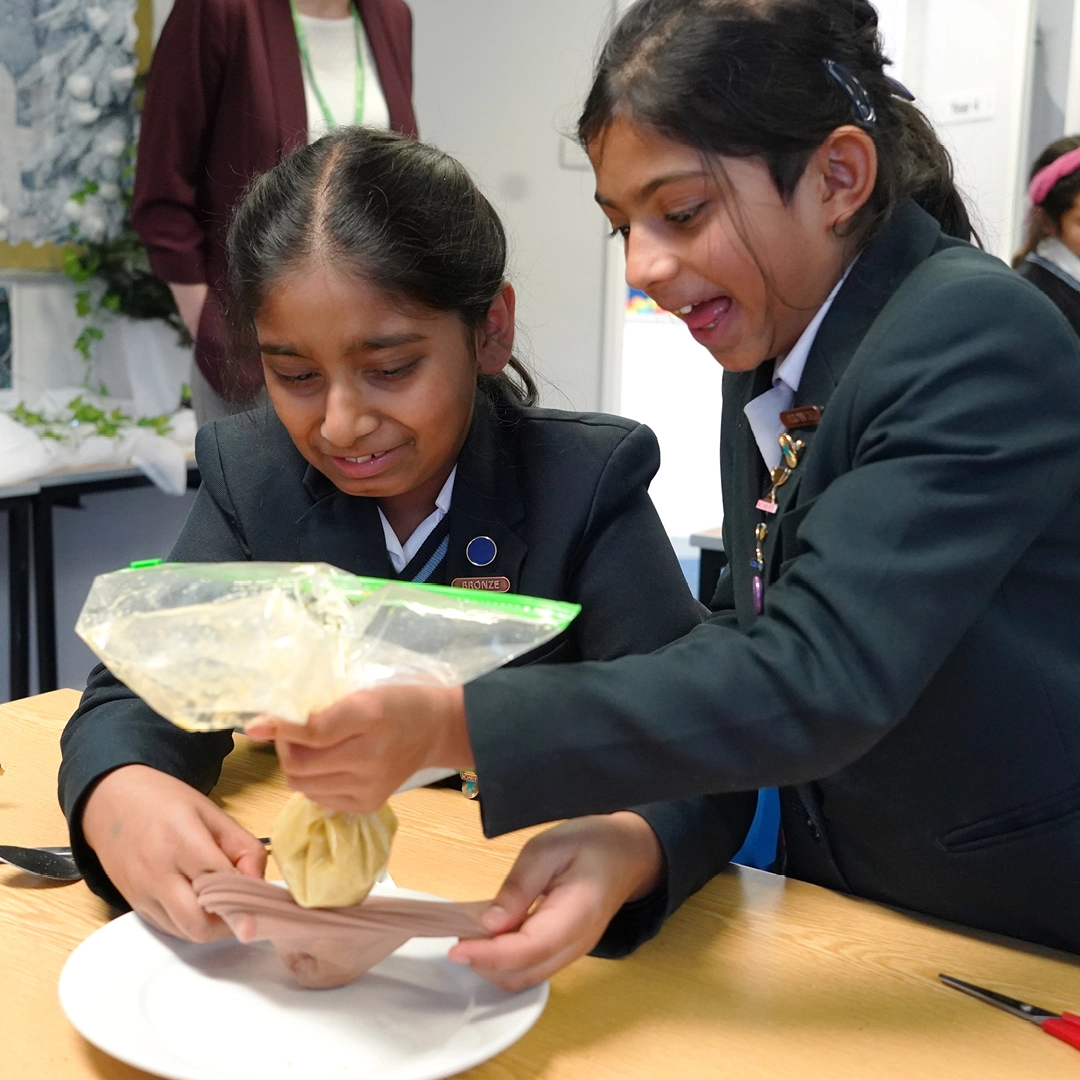
Armed with new knowledge and skills, it’s time to present opportunities for children to use and apply them. Activities during this stage include problem-solving, creative activities, group debates, individual tests and group challenges. Be ready to embrace the unpredictable, adjust your plans to accommodate ideas that need revisiting, and find out how well children have progressed. Children develop teamwork and reasoning skills, recall and retrieval, resilience, adaptability, and a growth mindset during this stage.

The Express Stage
At the end of each project, it’s time to express and reflect. Children have opportunities to express their thoughts, ideas and reflections in various ways, including through formal and informal talk, presentations and low-stakes quizzes. This emphasis on multiple forms of communication allows children to demonstrate their learning, use their unique voices, and build confidence and self-esteem. They learn to articulate their thoughts, share their ideas, and engage in meaningful dialogue with peers, teachers, and the wider community.
What curriculum leads say
The four stage process, the focus on problem solving, teamwork, application through the innovate stage. The focus on reflection and the communication through the express stage. It gives us the bit that we want to do more than just learning and educating.
Read their story
Sarah Davies
The four stage pedagogy aligns with our own thinking, and we loved the focus on experiential and creative learning. One of the reasons we went with Cornerstones in the first place was the structure of the projects. The engage, develop, innovate and express, four stage approach is really well structured for our children. We need a hook in, and we love the projects; they're really exciting and engaging.
Read their story
Carrie Kiselis
I love the Cornerstones values and how everything builds from EYFS, creative, fun and with lots of practical activities.
Christie Clarke
See the pedagogy in action
The best way to understand how our pedagogy works is to see it in a curriculum project. Book a curriculum conversation and we'll walk you through how the four stages come to life across a real project in your subject area.