
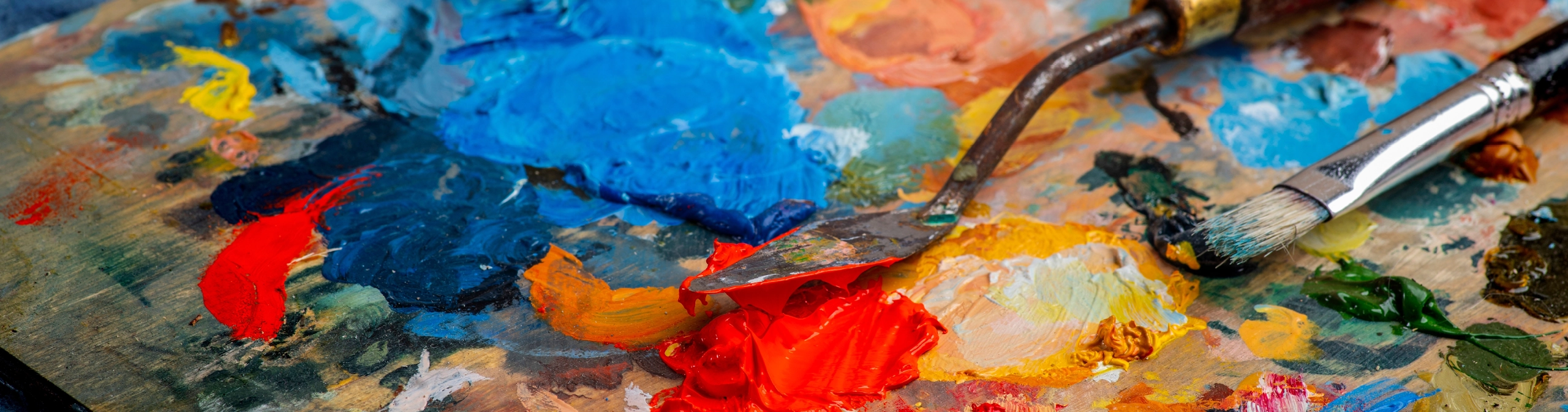
What children learn about painting at KS1 and KS2
What the national curriculum expects
Painting is named in both key stages. At KS1, pupils should use drawing, painting and sculpture to develop and share their ideas, experiences and imagination, and develop a wide range of art and design techniques in using colour, pattern, texture, line, shape, form and space. At KS2, pupils should improve their mastery of art and design techniques including drawing, painting and sculpture with a range of materials. Both key stages also require pupils to learn about artists, craft makers and designers, which is where studying particular painters and movements fits.
Key knowledge and concepts
Within this topic, children build knowledge and skill in painting:
Paints and materials
Poster paint, watercolour and acrylic, and what each one does
Brushes and mark-making
Choosing brushes, and the marks they make
Colour mixing
Making the colours you want from the ones you have
Painting techniques
Washes, blending, layering and texture
Landscape painting
Painting places, and the artists known for it
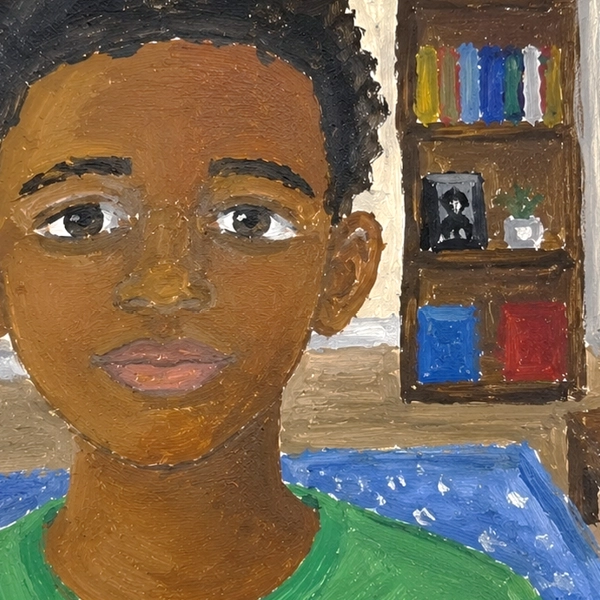
Portraits
Painting people, and how artists have approached the face
Pop Art
The movement, and artists such as Andy Warhol
Studying painters
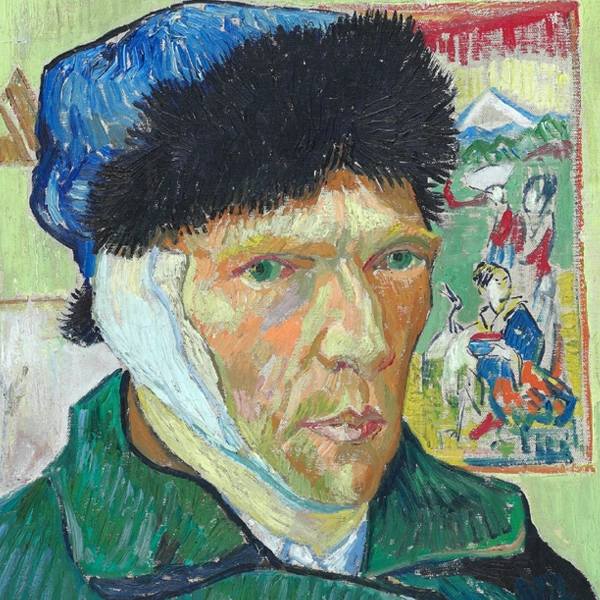
Artists such as Monet and Van Gogh, and what makes their work distinctive
Where this topic sits within KS1 and KS2
Painting isn’t a single unit taught once. It runs across every year group from Year 1 to Year 6, developing from simple colour mixing towards controlled technique, personal style and informed reference to other artists.
How to access this topic
Painting doesn’t sit on its own in the curriculum. The Cornerstones art and design curriculum is fully sequenced from EYFS through Year 1 to Year 6, so you can see what comes before, what follows and how the whole picture fits together. We’ve done the thinking, so your planning time goes into teaching, not sequencing.
Full curriculum
Subject curriculum
Quick Teach Individual lessons and resources for supplementing what you already teach.
Ready to bring the wider curriculum to life?
See how the full Cornerstones Art and Design Curriculum sequences topics like this one across every year group.