
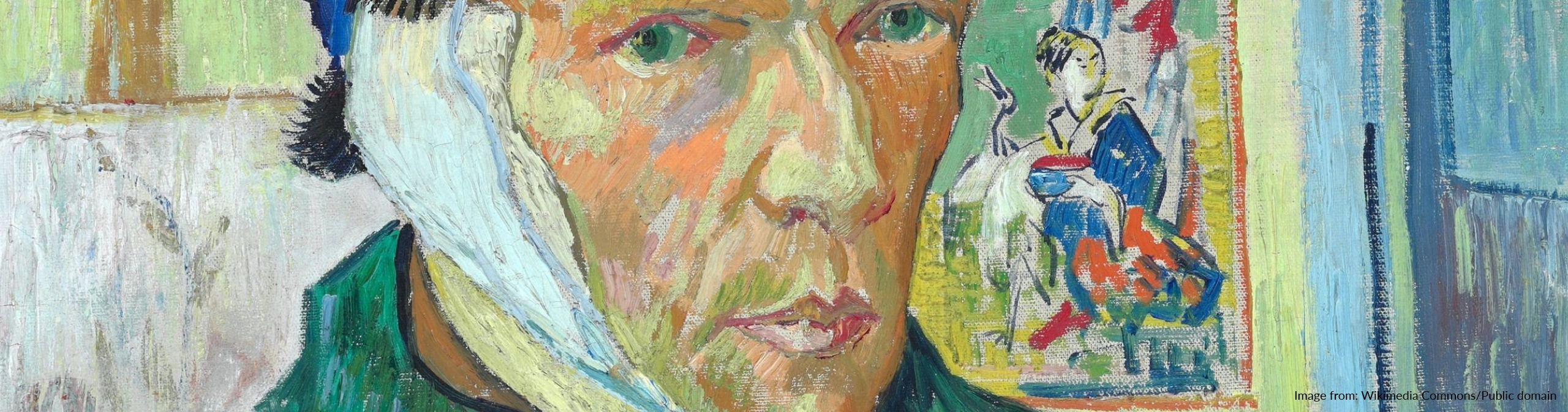
Significant artists (KS1 – KS2)
Studying other artists is statutory in both key stages, and it’s what turns making things into art. Knowing how someone else solved a problem changes how a child approaches their own work. Here’s what the curriculum expects and where to find lessons and resources to teach it.
What children learn about significant artists at KS1 and KS2
What the national curriculum expects
Learning about other artists is statutory in both key stages. At KS1, pupils should learn about the work of a range of artists, craft makers and designers, describing the differences and similarities between different practices and disciplines, and making links to their own work. At KS2, pupils should learn about great artists, architects and designers in history. The curriculum names no particular individuals, so schools choose who to study.
Key knowledge and concepts
Within this topic, children build knowledge of artists and how to learn from them:
What makes an artist significant
Why some artists are studied and remembered
Painters
Artists working in paint, and what distinguishes them
Sculptors
Artists working in three dimensions
Craft makers and designers
Makers working in craft, product and graphic design
Architects
Designers of buildings and spaces
Comparing artists
Describing similarities and differences between practices
Working in the style of
Using another artist's approach in your own work
Talking about art
Using the language of art to describe and evaluate
Where this topic sits within KS1 and KS2
Studying artists isn’t a unit taught once. It’s statutory in both key stages and designed to run through every other art topic, so children meet artists in the context of the technique they’re learning rather than in isolation.
How to access this topic
Significant artists don’t sit on their own in the curriculum. The Cornerstones art and design curriculum is fully sequenced from EYFS through Year 1 to Year 6, so you can see what comes before, what follows and how the whole picture fits together. We’ve done the thinking, so your planning time goes into teaching, not sequencing.
Full curriculum
Subject curriculum
Quick Teach Individual lessons and resources for supplementing what you already teach.


Ready to bring the wider curriculum to life?
See how the full Cornerstones Art and Design Curriculum sequences topics like this one across every year group.