

What children learn about electrical systems at KS2
What the national curriculum expects
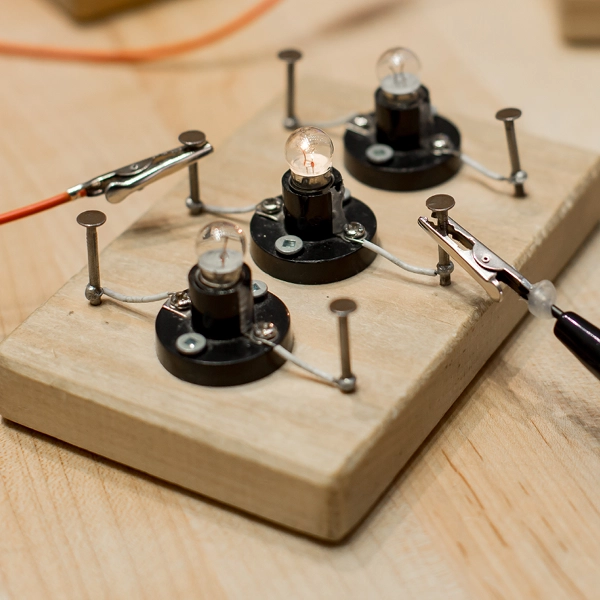
Electrical systems appear under technical knowledge at KS2 only. Pupils should understand and use electrical systems in their products, and the curriculum’s examples are series circuits incorporating switches, bulbs, buzzers and motors. It builds directly on the Year 4 and Year 6 science work on electricity, but with a different purpose: here the circuit exists to make a product do something.
Key knowledge and concepts
Circuits in products
Why a product needs a circuit, and what it does for it
Components
Bulbs, buzzers, motors and switches, and what each contributes
Switches
Giving the user control over a product
Building safely
Working safely with batteries and components
Designing with electronics
Planning a product around what the circuit needs to do
Testing and fault finding
Working out why a circuit isn't doing what it should
Where this topic sits within KS2
Electrical systems is a KS2 strand within design and technology technical knowledge. It sits alongside the science work on electricity in Year 4 and Year 6, and many schools teach the two in the same term so the science supports the making.
How to access this topic
Electrical systems don’t sit on their own in the curriculum. The Cornerstones design and technology curriculum is fully sequenced from EYFS through Year 1 to Year 6, so you can see what comes before, what follows and how the whole picture fits together. We’ve done the thinking, so your planning time goes into teaching, not sequencing.
Full curriculum
Subject curriculum
Quick Teach Individual lessons and resources for supplementing what you already teach.

Ready to bring the wider curriculum to life?
See how the full Cornerstones Design and Technology Curriculum sequences topics like this one across every year group.