
English and literacy
English and literacy, activities and resources are fully embedded within our curriculum.
What children know shapes how well they read and write
When children write about a subject they know well, the writing improves. When they read about something they’ve been studying, comprehension comes more easily. And when new vocabulary appears again and again across the curriculum rather than once in a spelling list, it sticks. The link between what children know and how well they read and write is well established, but it’s hard to build when English sits apart from everything else they learn.
That’s why English is embedded in the Cornerstones curriculum. It runs through every project, so the knowledge children build in history, geography and science becomes the material they read, discuss and write about.
How English is embedded in the Cornerstones curriculum
In every project, children read texts chosen to connect with what they’re studying, discuss and debate what they’ve found out, and write with a real purpose because they have something worth saying. Subject vocabulary is sequenced deliberately across the curriculum, so key words are introduced, revisited and used in context rather than met once in a list and forgotten.
What you gain is an English curriculum with substance behind it, and a progression framework covering the statutory programmes of study, so you can see where every requirement is taught, revisited and assessed across each year group.
Why embedded English works better
Four reasons why teaching English through a knowledge-rich curriculum gives children a better foundation than teaching it in isolation.
Knowledge builds comprehension
Children understand what they read when they already know something about the subject. A class that has spent half a term on the Anglo-Saxons reads about them very differently from a class being introduced to the topic. Every reading opportunity in our curriculum is anchored in knowledge children have already built.
Vocabulary that sticks
Subject vocabulary is sequenced across the curriculum, so key words and concepts are introduced deliberately and revisited across the year. Children meet new language in context, use it in discussion and writing, and come back to it often enough that it becomes theirs.
Writing with real purpose
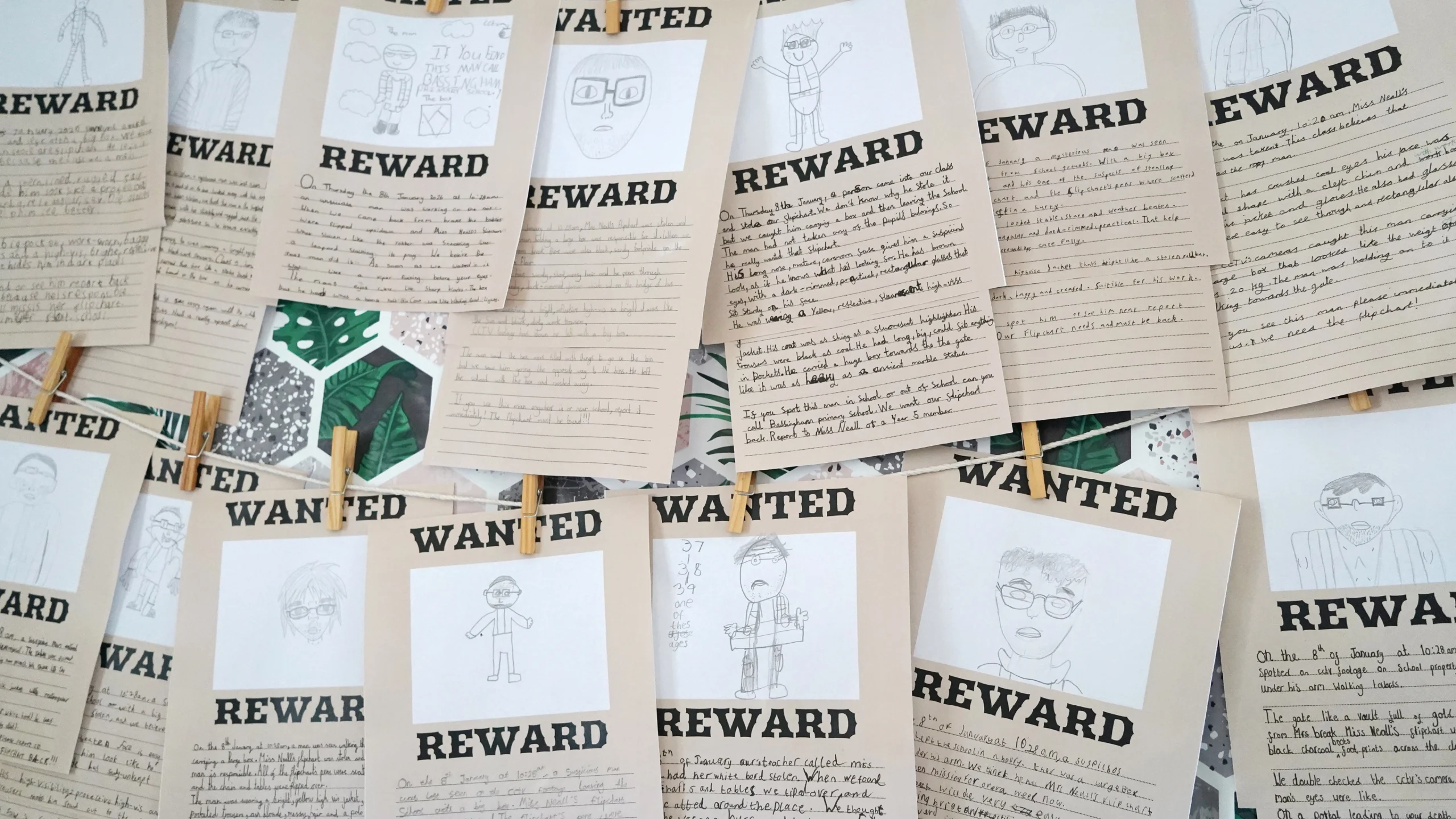
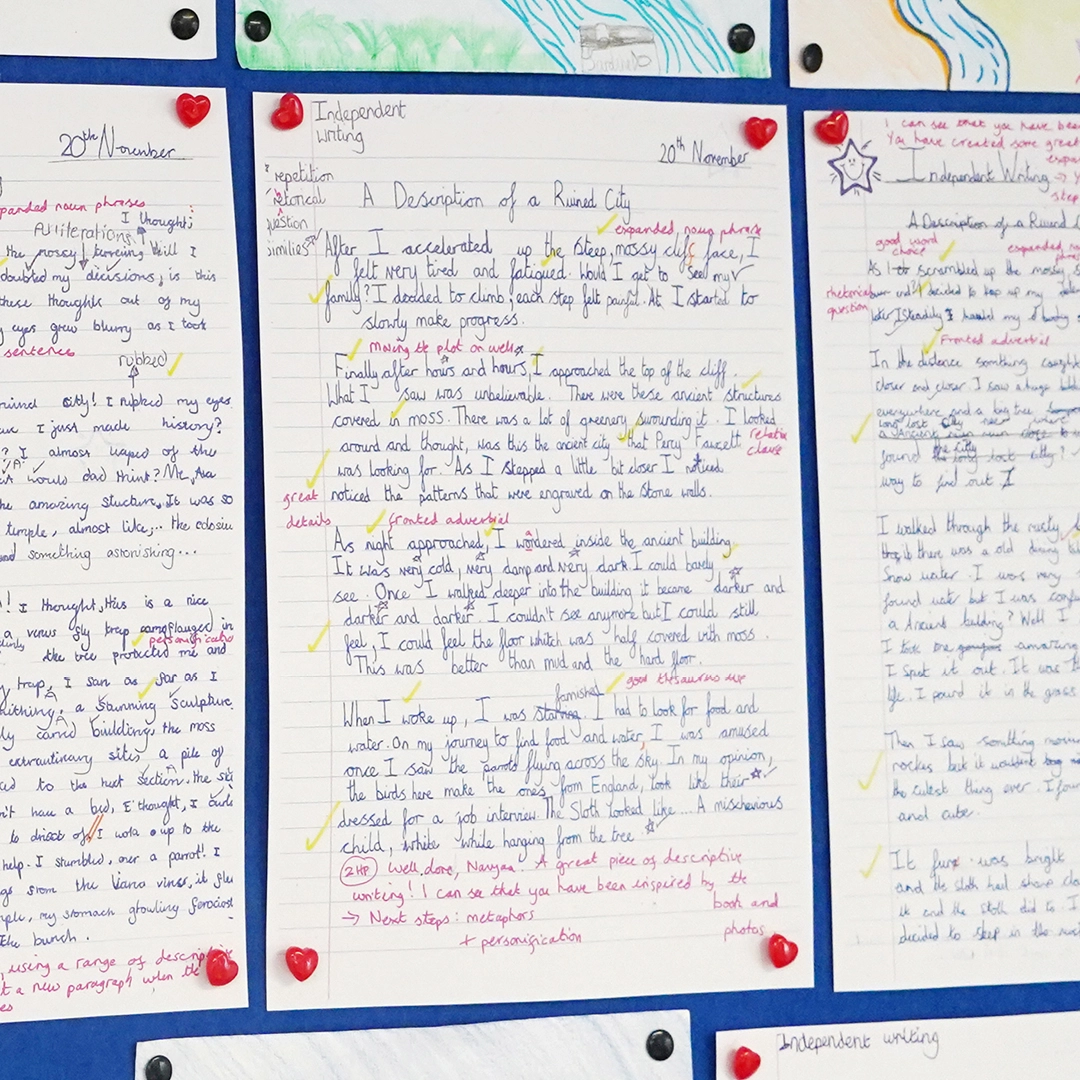
Children write better when they have something to say. Because writing tasks grow out of what children have been learning, they arrive at the page with the knowledge and vocabulary they need, and a reason to want to get it right.
Oracy across every subject
Talking well is how children rehearse their thinking before they write it down. Our curriculums are rich in planned opportunities to discuss, debate, perform and converse, giving children the confidence to articulate their knowledge, ideas and opinions in a range of contexts.
A clear pathway of skills and knowledge
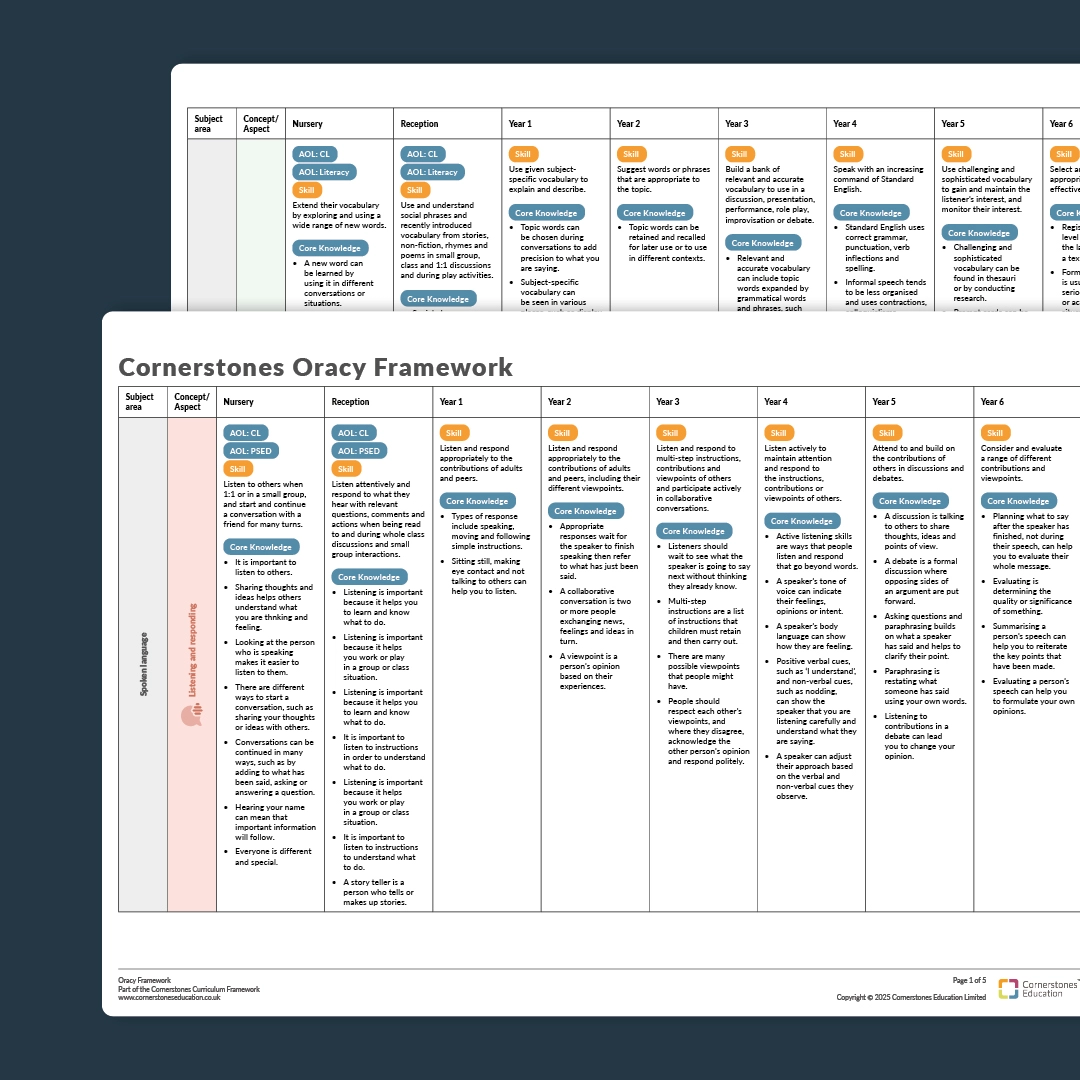
Our progression framework covers the statutory programmes of study from the national curriculum for English, mapped year by year from Year 1 to Year 6. You can see at a glance where each requirement is taught, where it’s revisited and where it’s assessed, so building an accurate picture of coverage across your school doesn’t mean starting from a blank sheet. When someone asks how you know your English curriculum is complete, the evidence is already there.
What you get
Everything teachers need to teach English well, already prepared and linked to what children are learning.
Reading
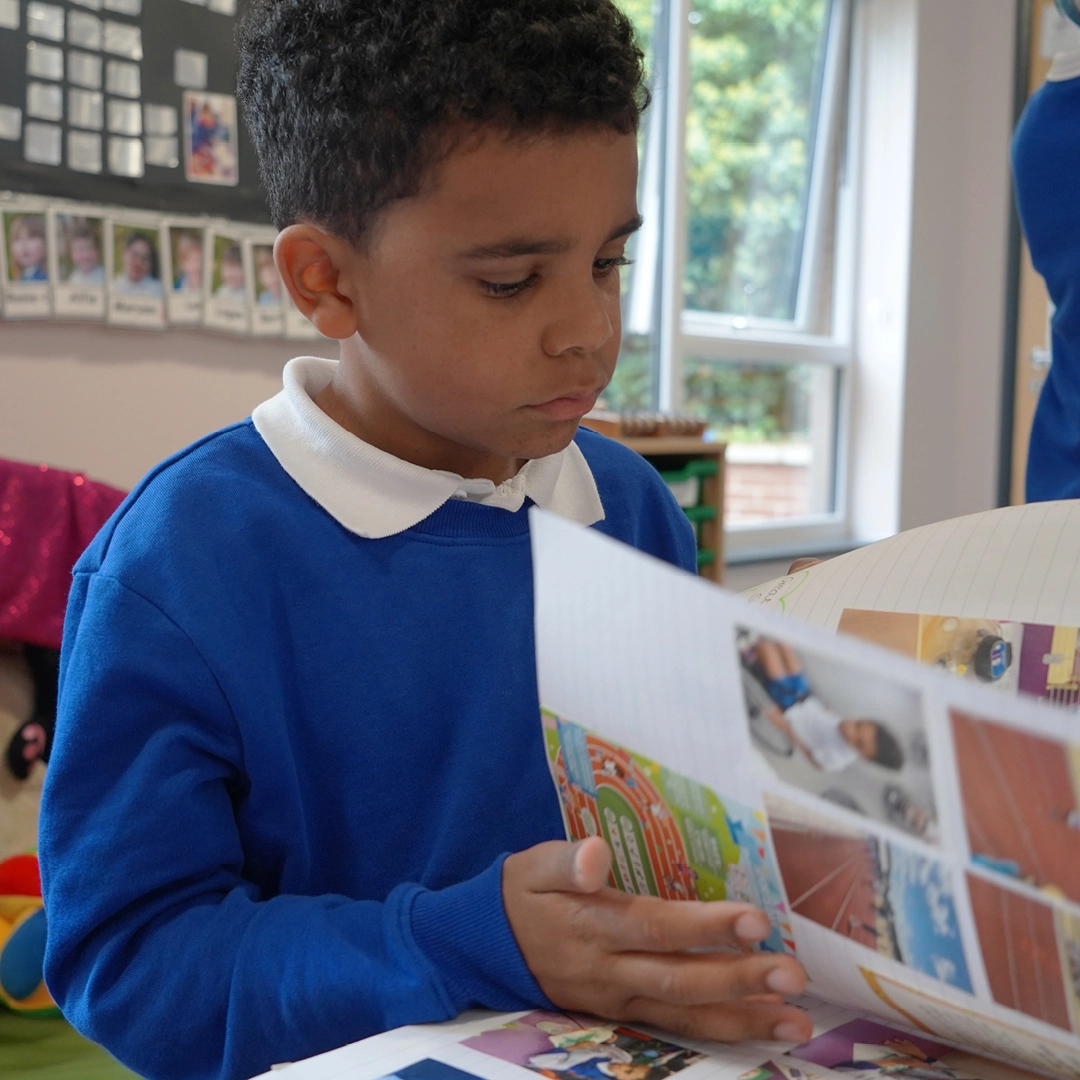
Cover to Cover reading guides give teachers everything they need to teach a text properly: context, character, setting, structure, language and narrative technique, all in one place. Book studies for KS1 and novel studies for KS2 introduce children to a wide range of texts linked to curriculum projects, ready to use in guided reading groups or whole class sessions. Alongside them sit word cards, glossaries, knowledge organisers and information sheets, so the time that usually goes into curating rich reading opportunities goes into teaching them instead.
Writing and planning
Build and plan your own English projects and activities using our English progression framework and resources. Everything you create sits alongside the rest of your curriculum in Maestro, so your own planning and ours work as one coherent whole rather than two systems to keep in step.
Early years
Early Years projects and resources begin building literacy from the start, supporting early speaking, listening, reading and writing through engaging, meaningful learning experiences. Our story packs use high-quality texts to develop children's comprehension, vocabulary and language through shared reading, discussion and carefully planned practical activities. For Nursery children, our Pre-Literacy Packs provide rich opportunities to develop foundational skills, including communication and language, listening skills, phonological awareness and early mark-making. By the time children reach Year 1, they have the foundations in place to build on.
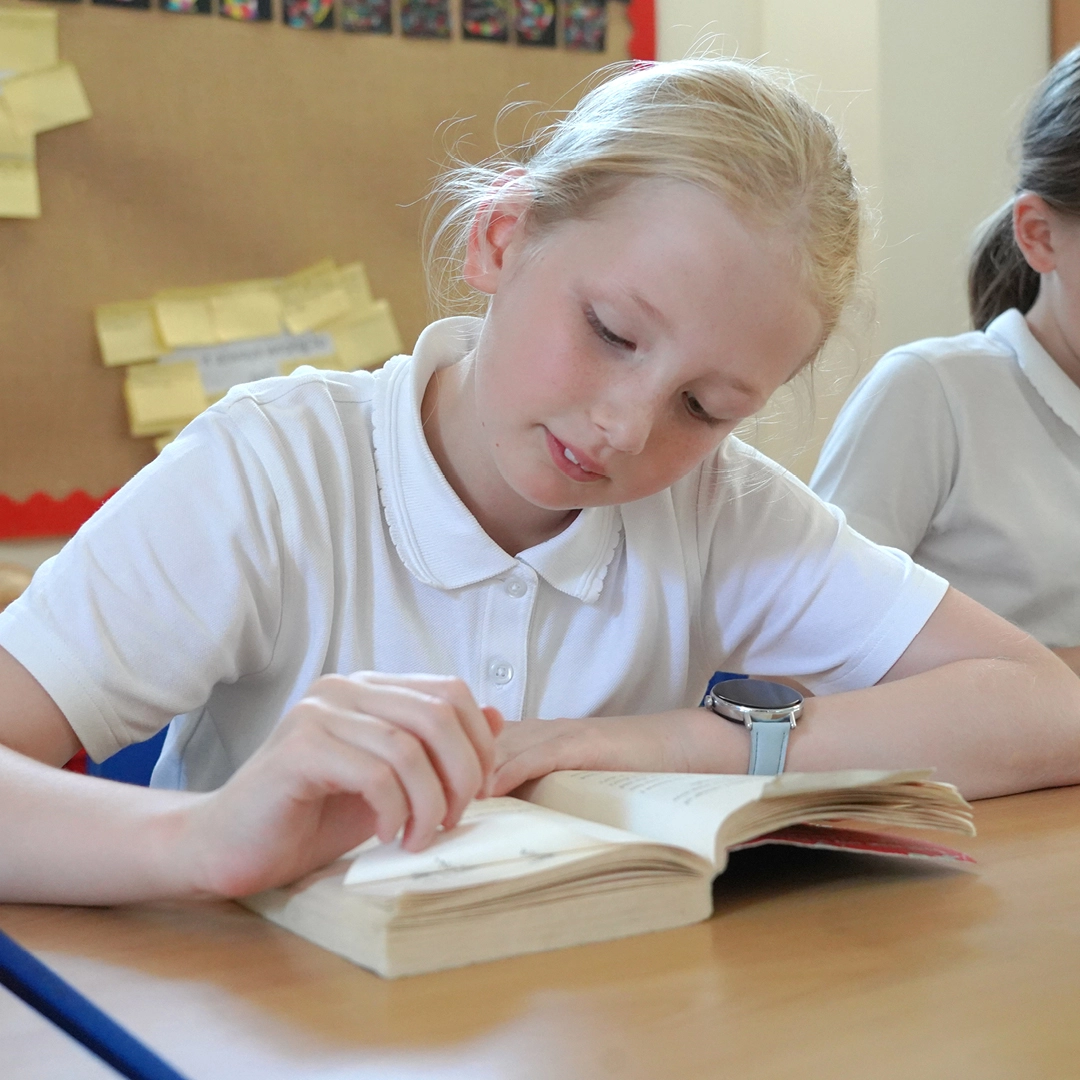
Know where every child is with their reading
Termly standardised tests for SPaG and reading run from Year 1 to Year 6, giving you standardised scores you can use for gap analysis and to plan what to teach next. Results feed straight into Maestro alongside the rest of your assessment data, so you can check, monitor and analyse progress across your whole English curriculum in one place rather than pulling it together from spreadsheets each term.
Your English curriculum, all in one place
Maestro brings your English curriculum together. Using CurriculumPRO, you can demonstrate and track how key vocabulary is sequenced across the year in every subject, including when words and concepts are introduced and when children come back to them. Assessment data sits alongside it, so progress and coverage are visible together rather than in separate places.
Because English runs through every project, you can see exactly what children are reading and writing in every year group, spot where a class needs more, and adapt what’s there to suit your children and your context. Everything sits where teachers expect to find it, so nobody loses time hunting for a text or a resource that should have been to hand.
Find out more about Maestro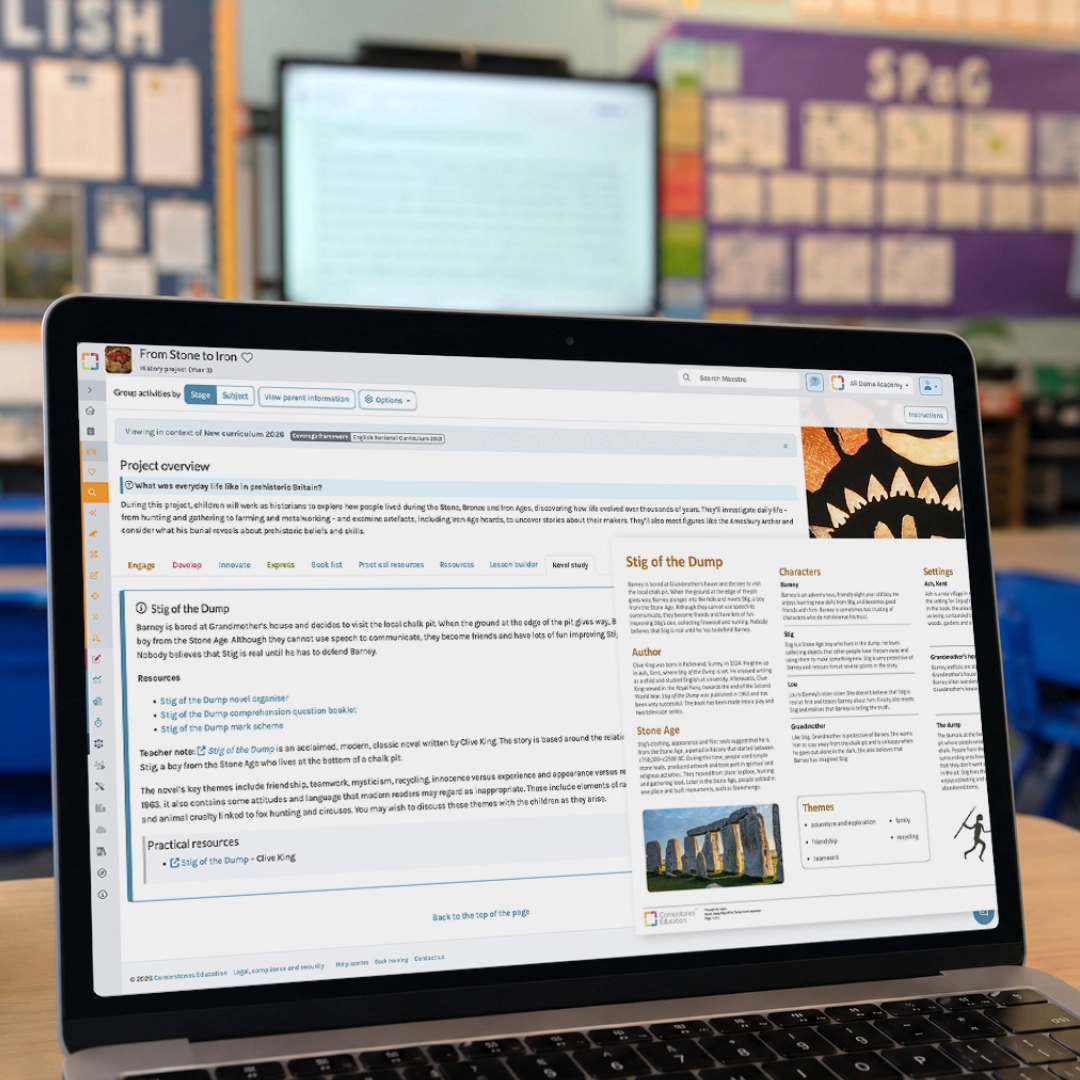
What senior leaders say
We've had some amazing writing pieces result from the curriculum activities as it's given children a real purpose for writing. For example, we recently wrote to a dinosaur in a museum as part of the Dangerous Dinosaurs project, which the children were totally immersed in.
Read their story
Carrie Kiselis
We use the Cornerstones English packs to complement what we already teach. This ensures the children are offered rich texts and links to the main themes where it works most effectively.
Read their story
Danielle Conneely
See how English works across the Cornerstones curriculum
Book a curriculum conversation with one of our curriculum specialists and see exactly how Cornerstones could work for your school.