
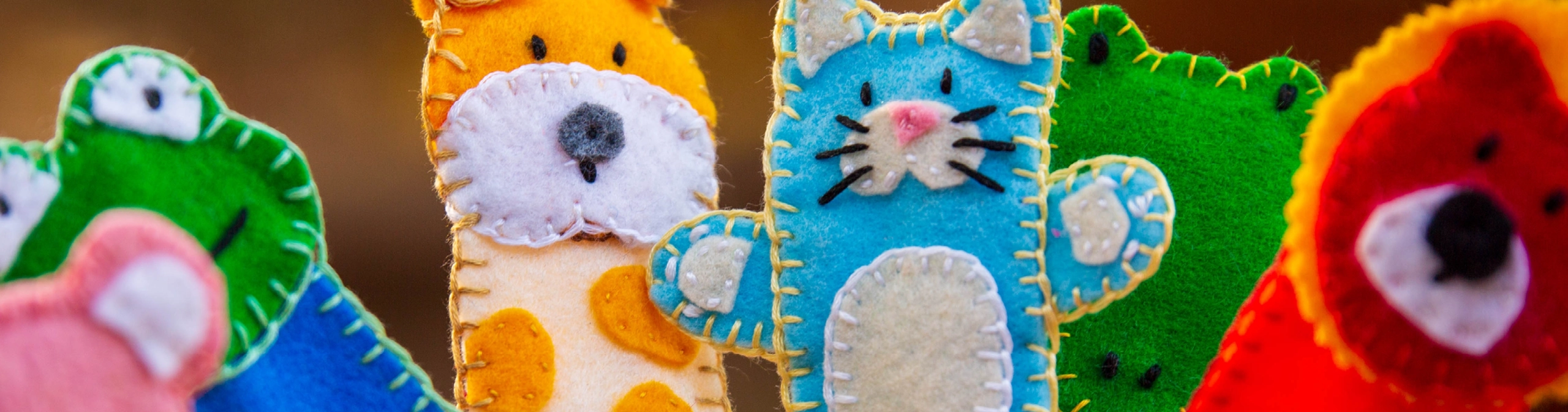
What children learn about collage and textiles at KS1 and KS2
What the national curriculum expects
Collage and textiles aren’t named individually in the art and design curriculum. They sit within the KS1 requirement to use a range of materials creatively to design and make products, and to develop a wide range of art and design techniques in using colour, pattern, texture, line, shape, form and space, and within the KS2 requirement to improve mastery of art and design techniques with a range of materials. Textiles also appear in design and technology, where pupils select from and use a wide range of materials and components including textiles.
Key knowledge and concepts
Within this topic, children build skills in working with paper, fabric and thread:
Paper collage
Cutting, tearing and arranging paper into images
Layering and composition
Building depth and interest through layers
Mixed media
Combining materials in a single piece
Texture
Using material choice to create texture
Weaving
Simple weaving, and the patterns it produces
Sewing and stitch
Basic stitches, and using thread as a drawing line
Batik and dyeing
Adding colour and pattern to fabric
Artists in collage and textile
Makers known for working in these materials
Where this topic sits within KS1 and KS2
Collage and textiles run across both key stages as techniques through which the curriculum’s broader requirements are met, rather than as units taught once. Textiles also connect directly to design and technology, where fabric is one of the named materials pupils should work with.
How to access this topic
Collage and textiles don’t sit on their own in the curriculum. The Cornerstones art and design curriculum is fully sequenced from EYFS through Year 1 to Year 6, so you can see what comes before, what follows and how the whole picture fits together. We’ve done the thinking, so your planning time goes into teaching, not sequencing.
Full curriculum
Subject curriculum
Quick Teach Individual lessons and resources for supplementing what you already teach.
Ready to bring the wider curriculum to life?
See how the full Cornerstones Art and Design Curriculum sequences topics like this one across every year group.