Early Islamic civilisation (KS2)
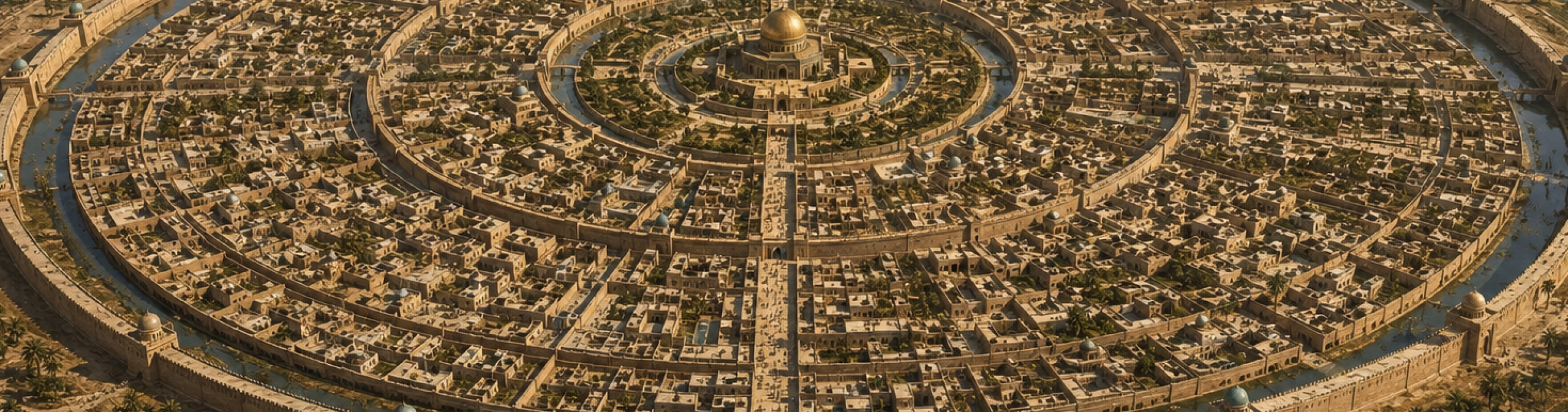
Teaching early Islamic civilisation at KS2? While Anglo-Saxon Britain was still a patchwork of small kingdoms, Baghdad was the largest city in the world, with a library that gathered knowledge from three continents. It’s one of three options the curriculum names for the non-European society study, and here’s what to teach.
What children learn about early Islamic civilisation at KS2
What the national curriculum expects
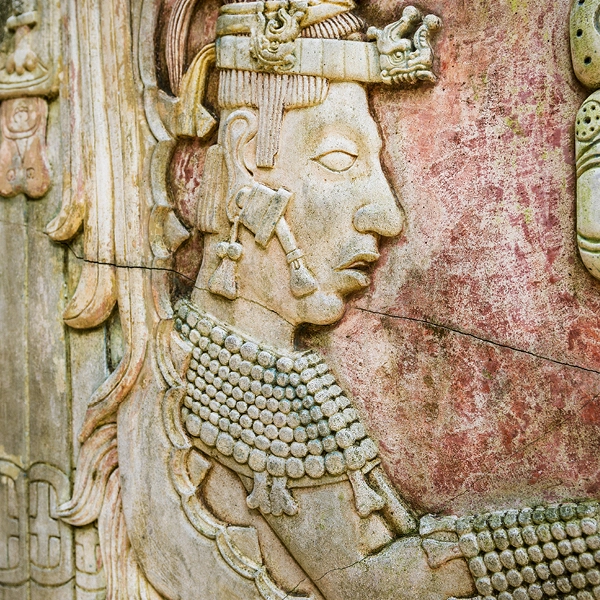
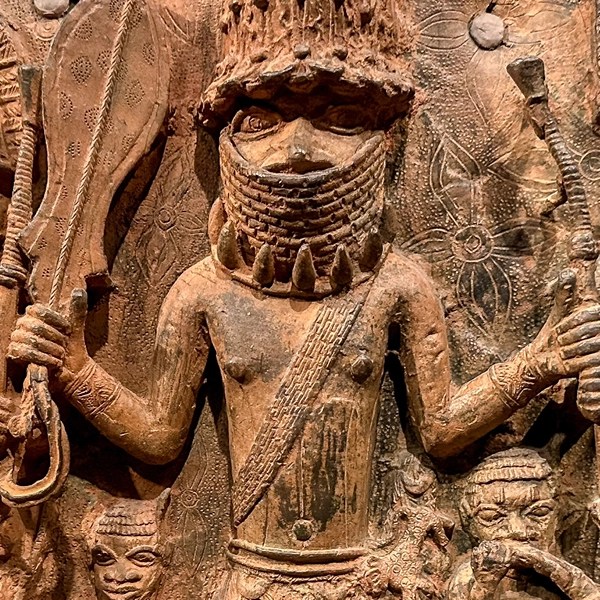
Early Islamic civilisation is one of three options named in the KS2 history curriculum for a study of a non-European society that provides contrasts with British history. The curriculum’s specific reference is early Islamic civilisation, including a study of Baghdad c. AD 900, alongside Mayan civilisation c. AD 900 and Benin (West Africa) c. AD 900-1300. Schools choose one. Because the study is built on contrast, pupils should be able to compare this civilisation with Britain in the same period.
Key knowledge and concepts
Within this topic, children build knowledge across the reach, learning and achievements of early Islamic civilisation:
Where and when
Where early Islamic civilisation spread, and how it compares in time with Britain
Baghdad
The city at its centre, and how it was planned and built
The House of Wisdom
The library and centre of learning, and what was gathered there
Scholars and scientists
The people whose work shaped medicine, astronomy and mathematics
Mathematics and numbers
Algebra, and the number system still used today
Trade and travel
The routes that connected three continents
Art and architecture
Pattern, calligraphy and building across the Islamic world
Legacy
What this civilisation passed on, and how it reached Europe
Where this topic sits within KS2
The National Curriculum doesn’t set a year group. The non-European society study can be placed wherever it suits a school’s long-term plan. It works particularly well alongside or after the Anglo-Saxons, since the two cover the same period and the contrast is stark.
How to access this topic
Early Islamic civilisation doesn’t sit on its own in the curriculum. The Cornerstones history curriculum is fully sequenced from EYFS through Year 1 to Year 6, so you can see what comes before, what follows and how the whole picture fits together. We’ve done the thinking, so your planning time goes into teaching, not sequencing.
Full curriculum
Subject curriculum
Quick Teach Individual lessons and resources for supplementing what you already teach.
Ready to bring the wider curriculum to life?
See how the full Cornerstones History Curriculum sequences topics like this one across every year group.