
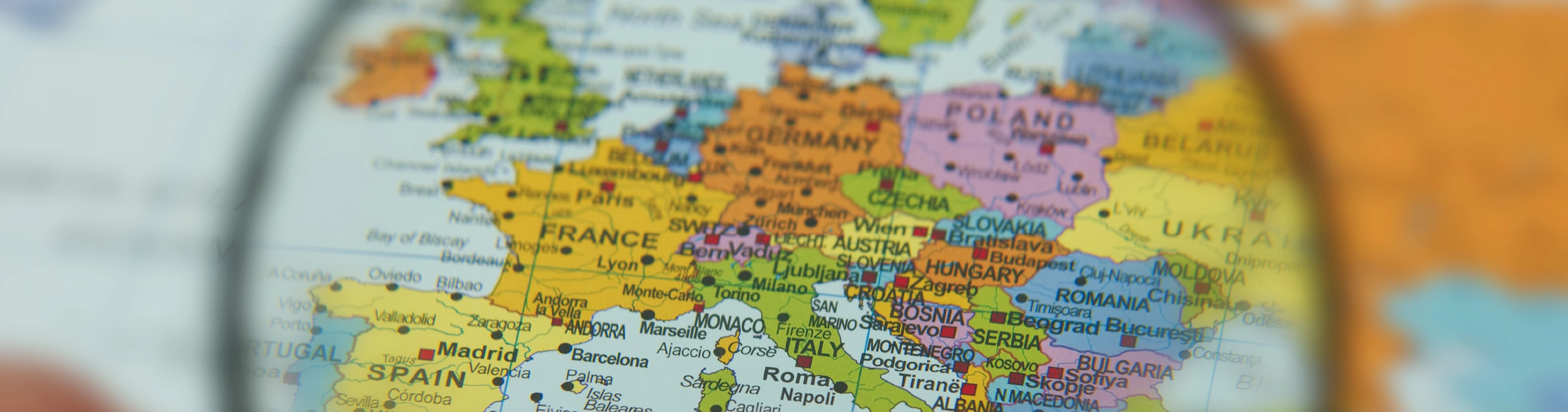
What children learn about Europe at KS2
What the national curriculum expects
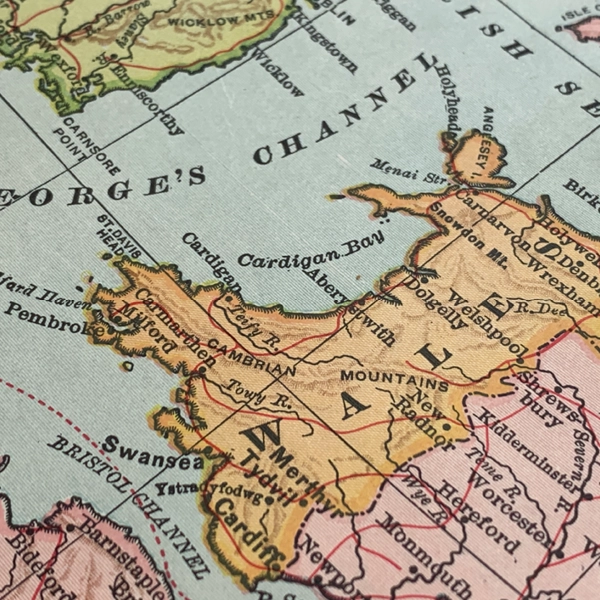
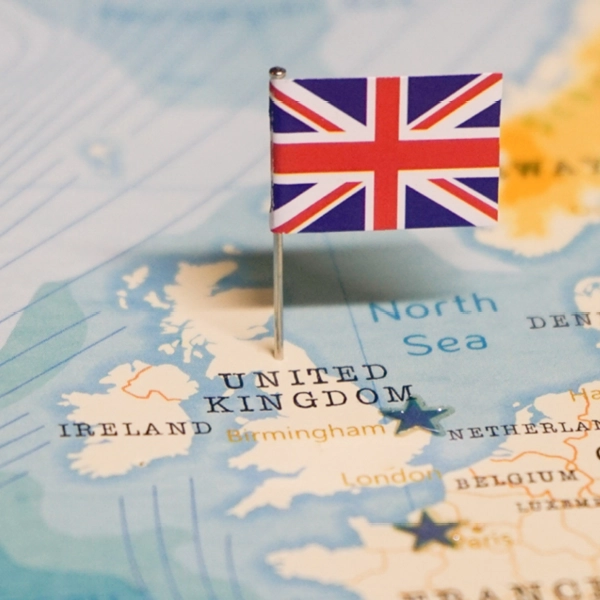
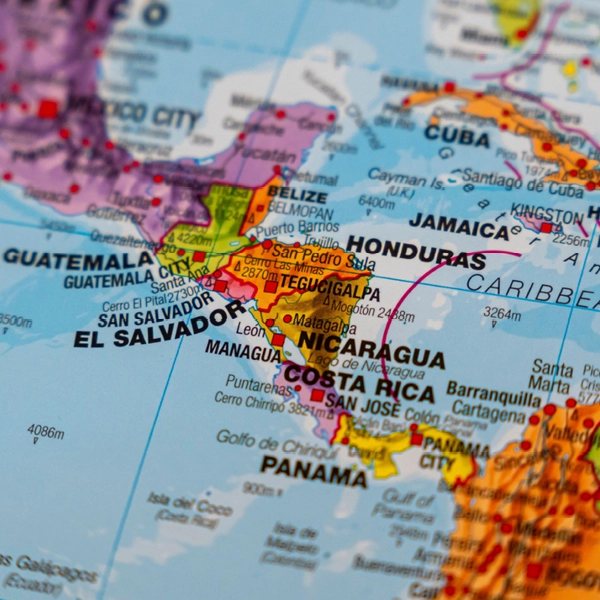
Europe appears twice in the KS2 geography curriculum. Under locational knowledge, pupils should locate the world’s countries using maps to focus on Europe including the location of Russia, concentrating on environmental regions, key physical and human characteristics, countries and major cities. Under place knowledge, pupils should understand geographical similarities and differences through studying the human and physical geography of a region of the United Kingdom, a region in a European country, and a region within North or South America.
Key knowledge and concepts
Within this topic, children build knowledge across Europe’s countries, cities and landscapes:
Countries of Europe
Locating Europe's countries, including Russia
Capital cities
Europe's major cities, and where they sit
Physical features
Mountains, rivers, coasts and the landscapes that define Europe
Environmental regions
How climate and environment vary across the continent
Studying a region
Looking at one European region in depth
Comparing with the UK
Similarities and differences with life at home
People and settlement
Where Europeans live, and how settlements differ
Maps and locating
Using atlases and digital mapping to find and describe places
Where this topic sits within KS2
The National Curriculum doesn’t set a year group. Europe sits within KS2 locational and place knowledge, and is often taught alongside or before North and South America, since the curriculum asks for a regional study in each.
How to access this topic
Europe doesn’t sit on its own in the curriculum. The Cornerstones geography curriculum is fully sequenced from EYFS through Year 1 to Year 6, so you can see what comes before, what follows and how the whole picture fits together. We’ve done the thinking, so your planning time goes into teaching, not sequencing.
Full curriculum
Subject curriculum
Quick Teach Individual lessons and resources for supplementing what you already teach.
Ready to bring the wider curriculum to life?
See how the full Cornerstones Geography Curriculum sequences topics like this one across every year group.