
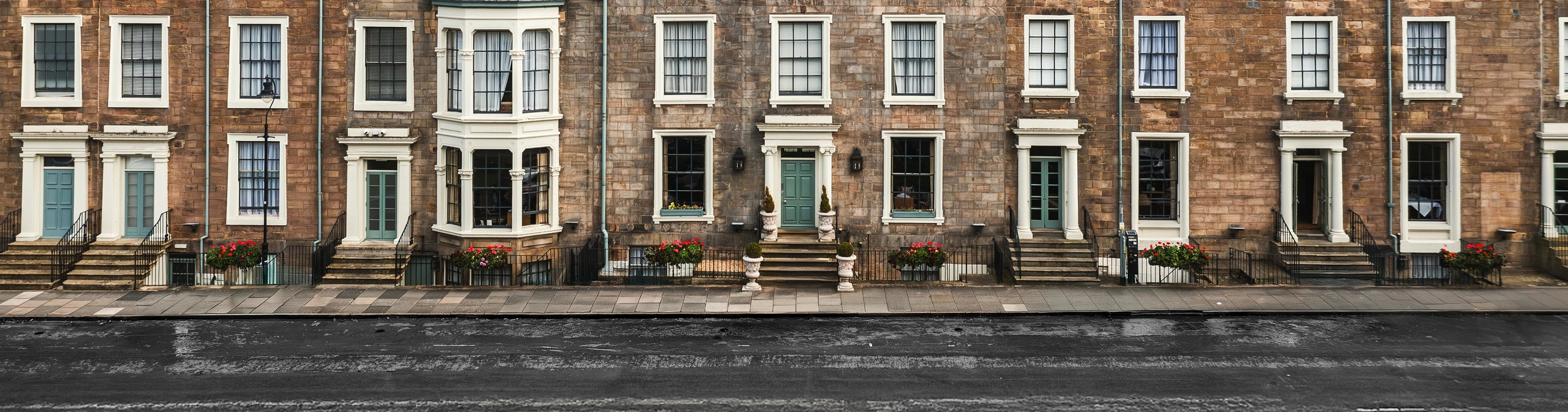
Local history (KS1 – KS2)
Local history is statutory at both key stages, and it’s the one topic no published curriculum can hand you complete. What it can do is give you a structure, the right questions to ask, and a clear sense of what the curriculum is actually asking for. Here’s what that looks like.
What children learn about local history at KS1 and KS2
What the national curriculum expects
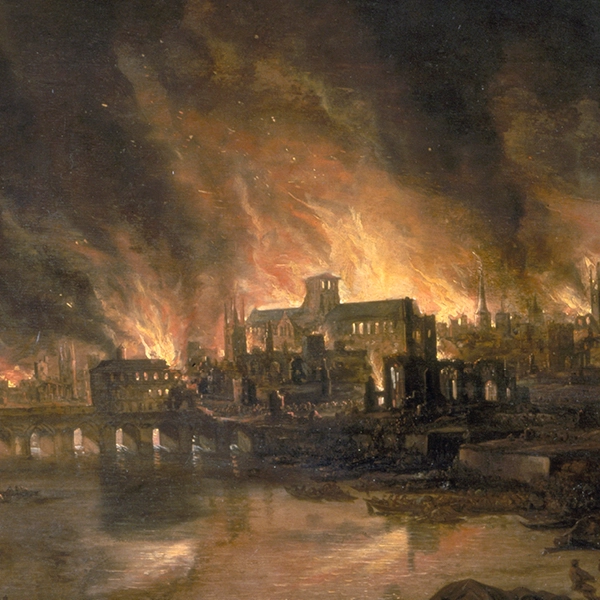
Local history appears in both key stages. At KS1, pupils should learn about significant historical events, people and places in their own locality. At KS2, pupils should be taught a local history study, and the curriculum gives three examples: a depth study linked to one of the British areas of study already listed, a study over time tracing how several aspects of national history are reflected in the locality, and a study of an aspect of history or a site dating from a period beyond 1066 that is significant in the locality.
Key knowledge and concepts
Within this topic, children build the skills and questions that make a local study work, whatever your locality holds:
What counts as local history
How to identify what's historically significant near you
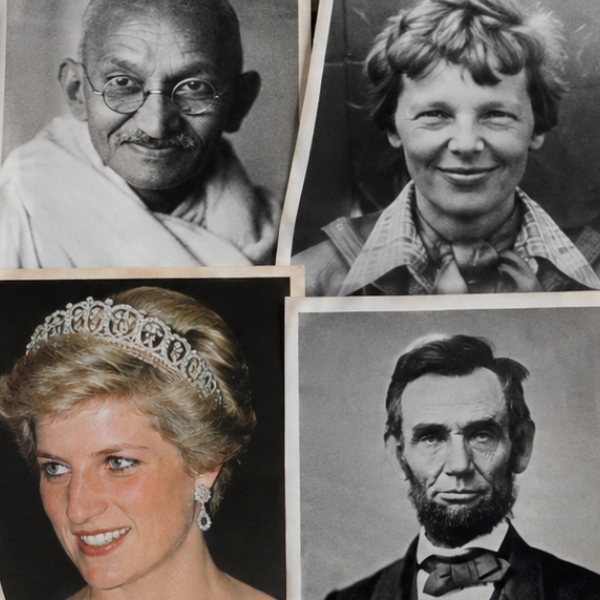
Significant local people
Individuals from your area who shaped events, near or far
Significant local places
Buildings, sites and landmarks, and what they reveal
Change over time
How your locality has changed, and what caused it
Local sources
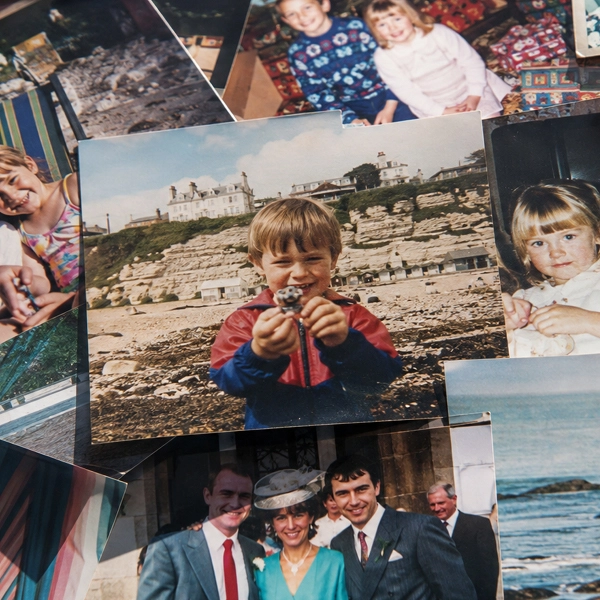
Census records, maps, photographs, newspapers and local archives
Oral history
Talking to people who remember, and how to record it
Linking local to national
How national events show up in a single place
Fieldwork and visits
Getting out to look at sites, and what to look for
Where this topic sits within KS1 and KS2
Local history is statutory at both key stages, but the National Curriculum doesn’t set a year group. Many schools teach a simple version in KS1 alongside significant people, then return to it in KS2 with a more structured study, often linked to a period they’ve already covered.
How to access this topic
Local history doesn’t sit on its own in the curriculum. The Cornerstones history curriculum is fully sequenced from EYFS through Year 1 to Year 6, so you can see what comes before, what follows and how the whole picture fits together. We’ve done the thinking, so your planning time goes into teaching, not sequencing.
Full curriculum
Subject curriculum
Quick Teach Individual lessons and resources for supplementing what you already teach.
Ready to bring the wider curriculum to life?
See how the full Cornerstones History Curriculum sequences topics like this one across every year group.