
Settlements and land use (KS2)
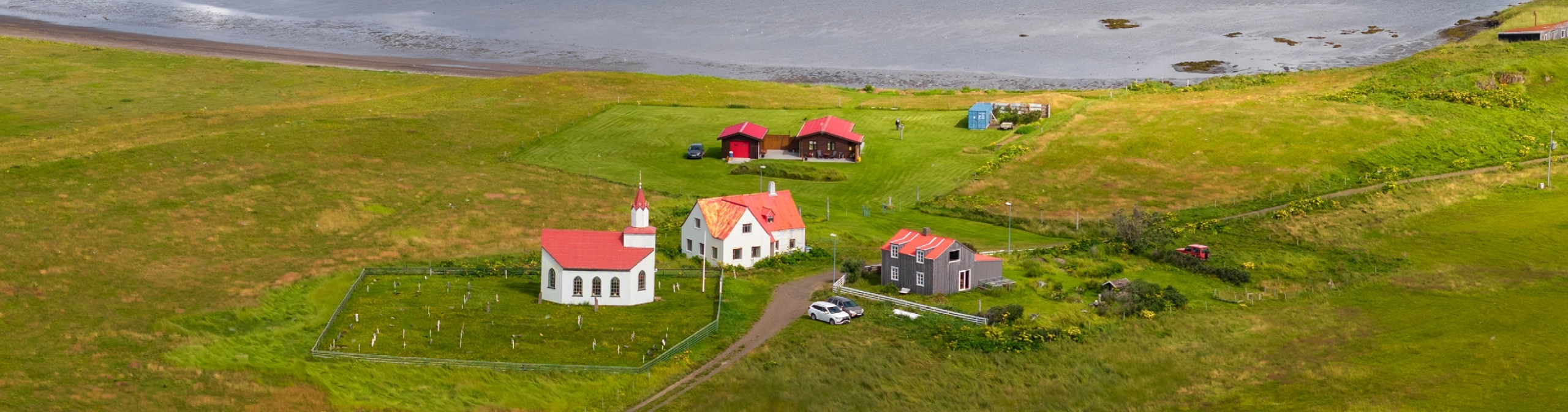
Settlements and land use is the part of geography that explains the place children live in. Why is the village there and the city here, and who decided what goes where? Here’s what the curriculum expects and where to find lessons and resources to teach it.
What children learn about settlements and land use at KS2
What the national curriculum expects
Settlements and land use are named in KS2 human geography. Pupils should describe and understand key aspects of human geography including types of settlement and land use, economic activity including trade links, and the distribution of natural resources including energy, food, minerals and water. Land-use patterns also appear under locational knowledge, where pupils should name and locate UK counties, cities, regions and topographical features, and understand how some of these aspects have changed over time.
Key knowledge and concepts
Within this topic, children build knowledge across where people live and why:
Types of settlement
Hamlets, villages, towns and cities, and what separates them
Why settlements grow
Water, land, trade and defence, and how sites were chosen
Urban and rural
The differences between city and countryside life
Land use
How land is used for housing, farming, industry and leisure
Change over time
How settlements and land use have changed, and what drove it
Maps and land use
Reading land-use patterns from maps and aerial photographs
Settlement and the environment
How settlements affect the land around them
Fieldwork
Studying settlement and land use in your own locality
Where this topic sits within KS2
The National Curriculum doesn’t set a year group. Settlements and land use sits within KS2 human geography, and is often taught alongside maps and fieldwork, since studying the local area is the most direct way in.
How to access this topic
Settlements and land use don’t sit on their own in the curriculum. The Cornerstones geography curriculum is fully sequenced from EYFS through Year 1 to Year 6, so you can see what comes before, what follows and how the whole picture fits together. We’ve done the thinking, so your planning time goes into teaching, not sequencing.
Full curriculum
Subject curriculum
Quick Teach Individual lessons and resources for supplementing what you already teach.

Ready to bring the wider curriculum to life?
See how the full Cornerstones Geography Curriculum sequences topics like this one across every year group.