
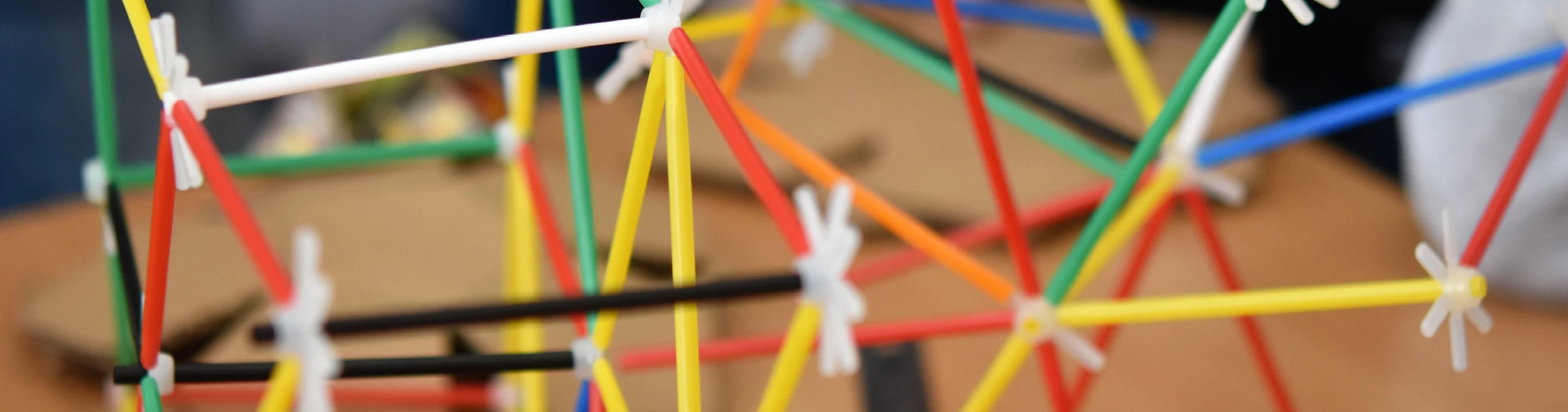
What children learn about structures at KS1 and KS2
What the national curriculum expects
Structures appear under technical knowledge in both key stages. At KS1, pupils should build structures, exploring how they can be made stronger, stiffer and more stable. At KS2, pupils should apply their understanding of how to strengthen, stiffen and reinforce more complex structures. The curriculum doesn’t name particular structures, so schools choose contexts that suit their pupils.
Key knowledge and concepts
Within this topic, children build knowledge of how structures stand up:
What is a structure
Structures around us, and what they have to do
Strong, stiff and stable
The three things a structure needs, and how they differ
Strengthening materials
Folding, rolling and layering to add strength
Frame structures
Building with a skeleton of struts and joints
Shell structures
Building from folded and joined sheet material
Bridges
Different bridge types, and why each one works
Testing structures
Loading a structure to find where it fails
Reinforcing
Adding to a structure to make it hold more
Where this topic sits within KS1 and KS2
Structures run through both key stages as part of technical knowledge, building from simple strengthening and stiffening at KS1 to more complex reinforcement at KS2. The strand pairs naturally with the science work on materials and their properties.
How to access this topic
Structures don’t sit on their own in the curriculum. The Cornerstones design and technology curriculum is fully sequenced from EYFS through Year 1 to Year 6, so you can see what comes before, what follows and how the whole picture fits together. We’ve done the thinking, so your planning time goes into teaching, not sequencing.
Full curriculum
Subject curriculum
Quick Teach Individual lessons and resources for supplementing what you already teach.


Ready to bring the wider curriculum to life?
See how the full Cornerstones Design and Technology Curriculum sequences topics like this one across every year group.