Changes within living memory (KS1)
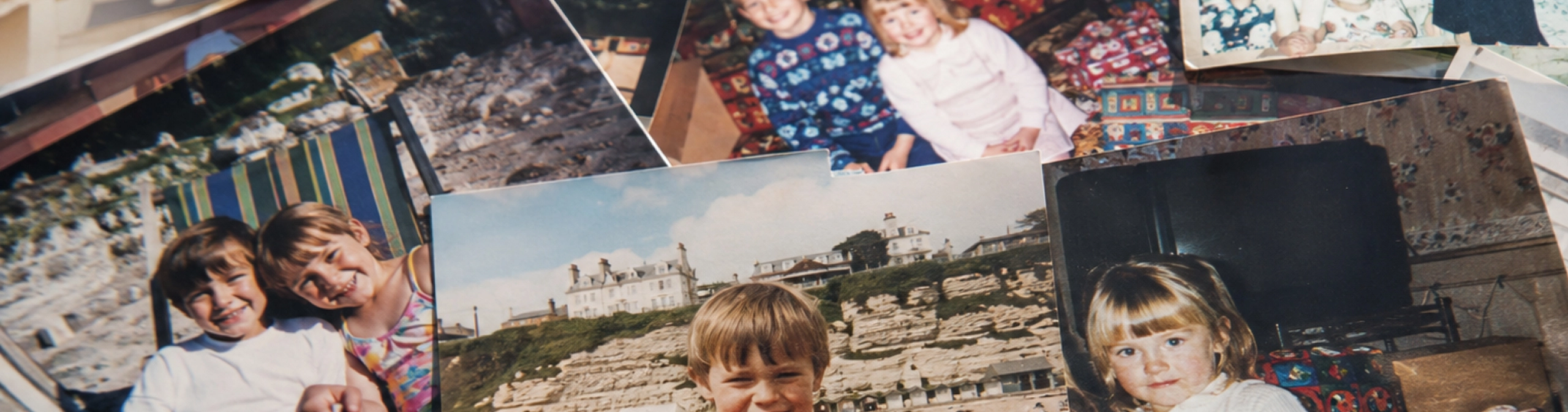
Changes within living memory is where history starts for most children: not kings and battles, but the fact that their grandparents’ toys looked nothing like theirs. It’s a statutory KS1 strand, and it’s the foundation for everything that follows. Here’s what the curriculum expects.
What children learn about changes within living memory at KS1
What the national curriculum expects
The KS1 history curriculum asks pupils to be taught about changes within living memory, and notes that where appropriate these should be used to reveal aspects of change in national life. Alongside this, KS1 pupils should develop an awareness of the past, use common words and phrases relating to the passing of time, know where the people and events they study fit within a chronological framework, and identify similarities and differences between ways of life in different periods.
Key knowledge and concepts
Within this topic, children build knowledge across how everyday life has changed within living memory:
Living memory
What living memory means, and whose memories we can ask about
Toys past and present
How toys have changed, and what that says about childhood
Homes past and present
Houses, rooms and household objects, then and now
Transport past and present
How people travelled, and how that changed
Seaside holidays
How holidays have changed within living memory
School then and now
Classrooms, lessons and school life across the decades
Asking people
Interviewing family and older people about what they remember
Sorting and sequencing
Ordering objects and photographs, and using words about time
Where this topic sits within KS1
The National Curriculum doesn’t set a year group. Changes within living memory is usually taught in Year 1 or early Year 2, as one of the first history topics children meet, before moving on to events beyond living memory such as the Great Fire of London.
How to access this topic
Changes within living memory doesn’t sit on its own in the curriculum. The Cornerstones history curriculum is fully sequenced from EYFS through Year 1 to Year 6, so you can see what comes before, what follows and how the whole picture fits together. We’ve done the thinking, so your planning time goes into teaching, not sequencing.
Full curriculum
Subject curriculum
Quick Teach Individual lessons and resources for supplementing what you already teach.
Ready to bring the wider curriculum to life?
See how the full Cornerstones History Curriculum sequences topics like this one across every year group.