
What children learn about continents and oceans at KS1
What the national curriculum expects
The KS1 geography curriculum asks pupils to name and locate the world’s seven continents and five oceans. Alongside this, pupils should use world maps, atlases and globes to identify the United Kingdom and its countries as well as the continents and oceans studied, and use simple compass directions and directional language to describe location.
Key knowledge and concepts
Within this topic, children build knowledge across the world’s continents and oceans:
The seven continents
Naming and locating each one
The five oceans
Naming and locating each one
Using a globe
Seeing the world as a sphere, and finding places on it
World maps and atlases
Finding continents and oceans on a flat map
The Equator and Poles
Hot and cold areas, and where they sit on the globe
Comparing continents
What makes each continent different
Animals and continents
Where different animals live around the world
Where we are
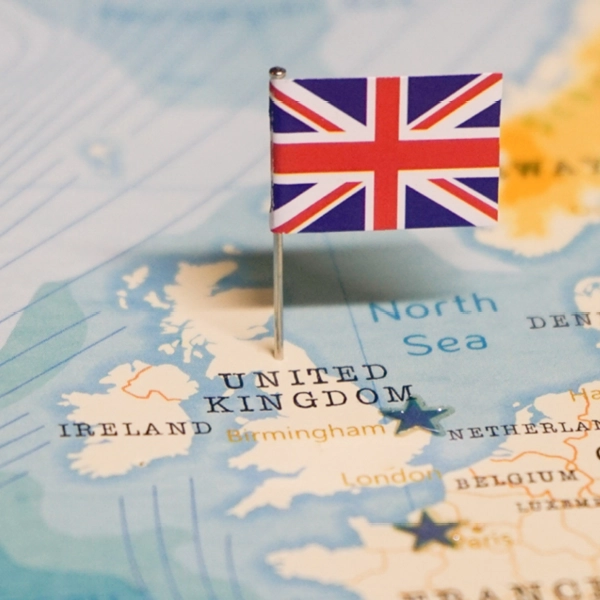
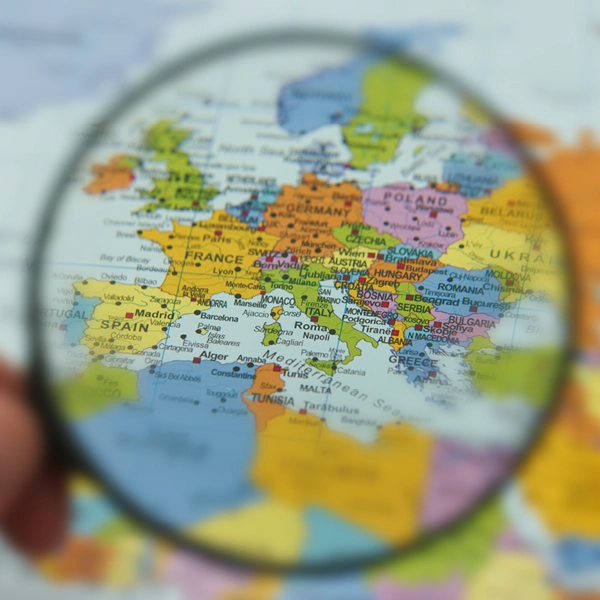
Locating the UK and Europe on a world map
Where this topic sits within KS1
The National Curriculum doesn’t set a year group. Continents and oceans is usually taught in Year 1 or Year 2 as part of locational knowledge, and it underpins the KS2 work on Europe, North and South America, and latitude and longitude.
How to access this topic
Continents and oceans don’t sit on their own in the curriculum. The Cornerstones geography curriculum is fully sequenced from EYFS through Year 1 to Year 6, so you can see what comes before, what follows and how the whole picture fits together. We’ve done the thinking, so your planning time goes into teaching, not sequencing.
Full curriculum
Subject curriculum
Quick Teach Individual lessons and resources for supplementing what you already teach.
Ready to bring the wider curriculum to life?
See how the full Cornerstones Geography Curriculum sequences topics like this one across every year group.